Machu Picchu Elevation: How It Compares to Cusco and the Trails
By our team in Cusco · 1 November 2026
How High Is Machu Picchu—and Why Does Cusco Feel Harder?
A short staircase in Cusco can stop you mid-conversation. You climb a few steps toward your hotel, glance up at the next landing, and suddenly notice how hard you’re breathing. The city’s cobbled streets and mountain light invite you to explore, but at roughly 11,150 feet (3,400 meters) above sea level, even a gentle uphill walk can demand more effort than you expect. We encourage travelers arriving in Cusco to slow down rather than treat that first afternoon as a fitness test.
Machu Picchu’s elevation is approximately 7,972 feet (2,430 meters) above sea level—about 3,180 feet (970 meters) lower than Cusco. That surprises many visitors: the famous Inca citadel looks impossibly high in photographs, perched on a ridge above the Urubamba River. Yet the mountains surrounding it create much of that dramatic impression. The archaeological site itself sits substantially below Cusco, even though your journey there may involve climbing higher first.
The difference matters because atmospheric pressure decreases as elevation increases. The percentage of oxygen in the air stays essentially the same, but each breath delivers fewer oxygen molecules at higher elevations. Down at Machu Picchu, the higher air pressure means more oxygen is available with each breath than in Cusco. Walking may therefore feel less taxing, especially after you’ve had time to acclimatize. Still, lower elevation does not guarantee symptom relief, and the citadel’s uneven steps, sunshine, and steep paths can leave you breathing hard.
Our guides in Cusco encourage an unhurried start, time to acclimatize, and honest conversations about how you feel. Don’t push through worsening symptoms or assume reaching Machu Picchu will resolve them; seek medical advice. And remember: the destination’s elevation is only part of the story—the highest point on your chosen trail matters, too.
Machu Picchu, Cusco, and the Trails: Elevations at a Glance
Picture the journey as a series of rises and descents, not a steady climb toward the ruins. Cusco sits at approximately 3,400 meters (11,155 feet), while Machu Picchu’s archaeological site is around 2,430 meters (7,972 feet). That makes the ruins roughly 970 meters (3,180 feet) lower than the city where many travelers spend their first nights. When we help you prepare in Cusco, that distinction matters: your first hotel bed may be considerably higher than the terraces you have come so far to see.
On the trails, separate where you sleep from the highest ground you cross. Soraypampa, a sleeping stop on our Salkantay treks, sits at approximately 3,900 meters (12,795 feet); here, you settle into glamping domes beneath the mountains. Salkantay Pass rises to around 4,630 meters (15,190 feet), but it is a crossing point, not an overnight stop. On the Classic Inca Trail, Dead Woman’s Pass reaches approximately 4,215 meters (13,829 feet), with camps below it; exact sleeping elevations depend on the assigned itinerary. A short pause at a windswept pass and a full night at altitude are different exposures, so consider both when choosing your route.
Finally, Machu Picchu elevation usually means the ruins—not the summits towering beside them. Huayna Picchu reaches approximately 2,693 meters (8,835 feet), while Machu Picchu Mountain reaches around 3,082 meters (10,112 feet). These are separate, optional summit hikes requiring the appropriate tickets, not climbs included in every ruins visit. Even though both summits sit below Cusco, steep steps and sustained effort can still feel demanding. We encourage you to compare the whole journey: acclimatization nights, trail camps, pass crossings, and any extra climb you hope to add.
What Altitude Actually Does to Your Body
At altitude, the air still contains roughly the same percentage of oxygen, but lower air pressure means each breath delivers fewer oxygen molecules. You may notice it on an ordinary stone staircase: your breathing gets deeper, your heart beats faster, and a pace that feels easy at home suddenly calls for a pause. At Machu Picchu’s elevation, these sensations may be milder than in higher Cusco or on a high mountain pass, but your body still needs time to adjust.
Breathing hard during a climb is not, by itself, altitude illness. If you can catch your breath after stopping and otherwise feel well, exertion may explain it. We encourage a pace that leaves room for conversation, not a race to the next viewpoint. A new headache after gaining elevation, especially with nausea, dizziness, unusual fatigue, or loss of appetite, is different: it can signal acute mountain sickness. Fitness does not make you immune, and symptoms should never be dismissed as weakness or something to push through.
Tell your guide as soon as you feel unwell. Stop ascending if altitude illness is suspected; rest at the same elevation and seek medical advice. If symptoms worsen or do not improve, descend. Drink normally, eat what you can tolerate, and avoid alcohol, but remember that water, coca tea, and determination are not treatments for altitude illness. Letting us handle camp and meals lightens your workload; it does not replace acclimatization.
Confusion, trouble walking steadily, or breathlessness at rest are emergencies, not ordinary trail discomfort. They can indicate life-threatening altitude illness, even without a headache. Alert your guide immediately: urgent descent and emergency medical care are needed, with supplemental oxygen if available. Never leave the affected person alone or wait overnight to see whether they improve. The mountain will still be there; getting you safely down comes first.
How to Acclimatize Before Your Trek
Give yourself a gentle two-to-three-day minimum buffer at altitude before your trek, with extra time whenever your schedule allows. Think of those days as part of the journey: a slow courtyard breakfast, an easy stroll, and an afternoon with nothing more demanding than watching clouds drift over the mountains. Machu Picchu’s elevation is lower than Cusco’s, but your trek may take you much higher than either. A few quiet days help you adjust; they don’t guarantee you’ll avoid altitude illness.
On arrival, keep exertion light rather than testing yourself on Cusco’s steep stairways. If your itinerary allows, spending your first nights in a lower part of the Sacred Valley can make for a gentler start before gradually moving higher. Drink normally and regularly, guided by thirst; forcing extra liters won’t prevent altitude illness. Eat regular meals, even if your appetite feels quieter than usual, and limit alcohol—ideally skipping it during those first days. Leave room for sleep instead of packing every hour with sightseeing.
Before traveling, ask a clinician familiar with altitude medicine whether preventive medication is appropriate, especially if you’ve had altitude illness before, have relevant medical conditions, or face a rapid ascent. Medication does not replace gradual acclimatization. Once you’re here, tell our guides promptly about a headache, nausea, dizziness, or unusual fatigue. Don’t ascend with symptoms; worsening symptoms call for descent and medical assessment. Confusion, trouble walking, or breathlessness at rest require urgent help and descent. On our supported camping treks, you carry only a day pack while our porters handle camp and food, with tents up and meals ready when you arrive. We take care of the trail logistics so you can settle into a steady rhythm—but a lighter pack never replaces time to acclimatize.
Classic Inca Trail or Salkantay: Which Altitude Profile Fits You?
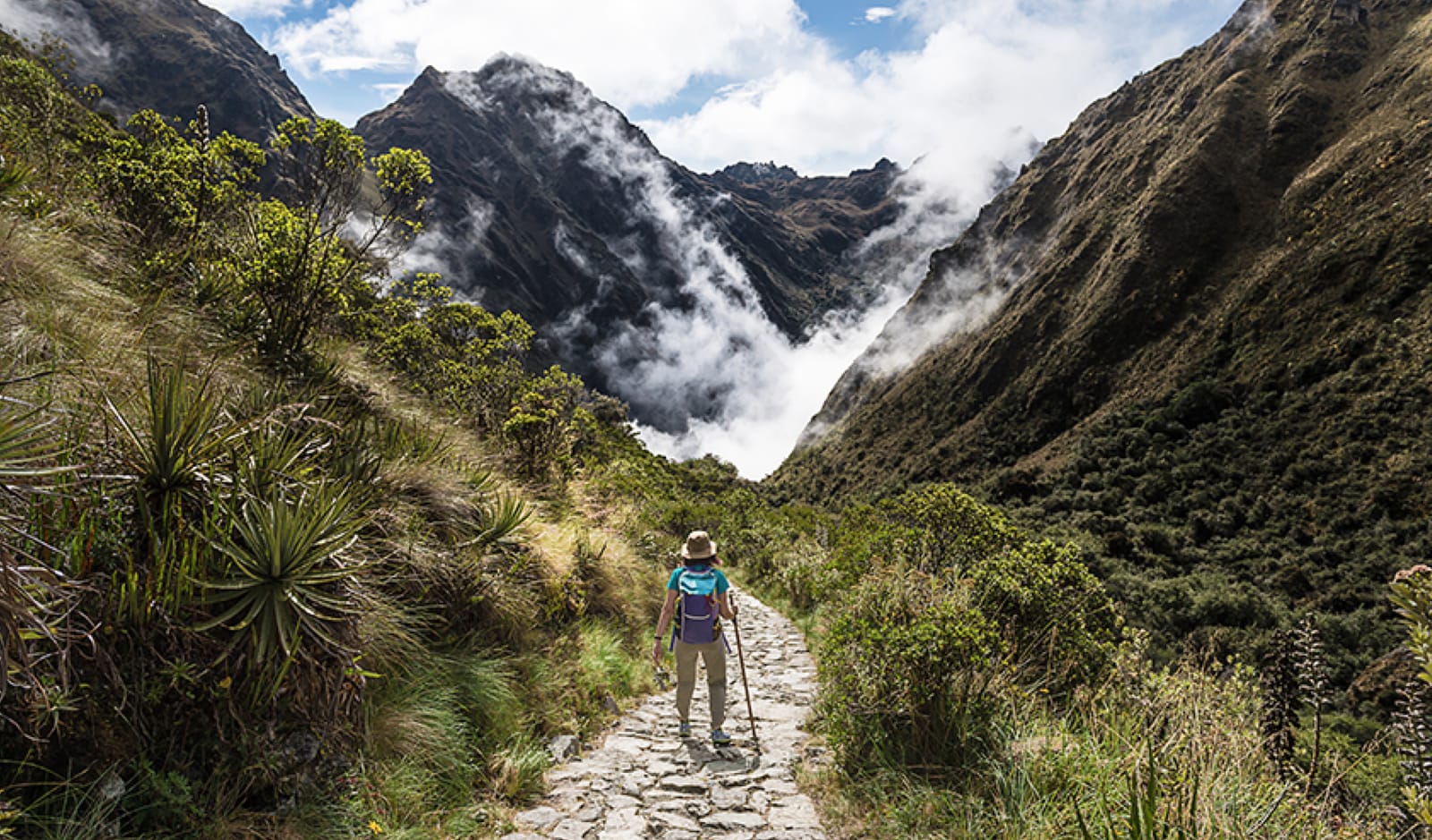
Choosing between the Classic Inca Trail 4D/3N and Salkantay 5D/4N is less about finding the “easy” route and more about matching the altitude profile to your body and hiking style. On the Classic Inca Trail, Dead Woman’s Pass reaches about 13,828 feet (4,215 meters). The climb is demanding, but the long stone staircases—including the descent—also ask plenty of your legs. You cross that high point rather than sleep there. Campsite assignments can vary, so we recommend looking at your actual overnight stops alongside each day’s climbing and descending, not just the route’s maximum elevation.
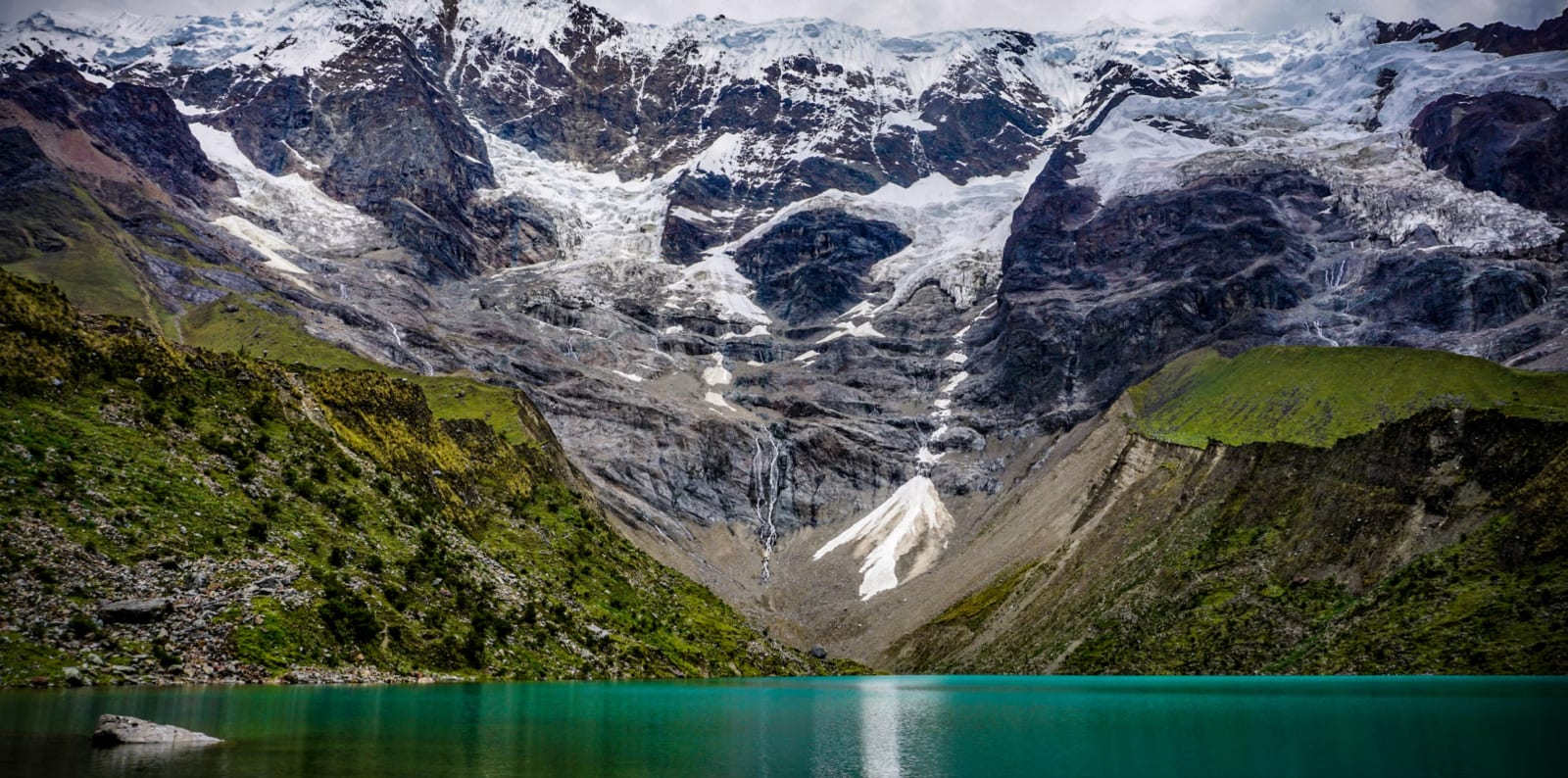
Salkantay takes you higher, to roughly 15,190 feet (4,630 meters) at Salkantay Pass, with a very different atmosphere: open mountain country, cold air, and enormous snowy peaks. On our Salkantay trek, your Soraypampa night is in a glamping dome at around 12,795 feet (3,900 meters). It’s a memorable place to settle in beneath the mountains, but a comfortable bed doesn’t remove the effects of sleeping high. That overnight altitude matters when planning acclimatization, particularly before the pass crossing. Later, the route descends into warmer, greener valleys.
Neither trek is universally easier. If repeated stone steps and steep descents worry your knees, consider that carefully on the Inca Trail; if sleeping high is your concern, pay close attention to Salkantay’s Soraypampa night. Both rise well above Machu Picchu’s elevation. Ask our team in Cusco to walk you through the overnight elevations and daily distances before choosing. You walk, we take care of everything: you carry only a day pack, our teams handle camp and food, and on camping nights, tents are already up and meals ready when you arrive.
You Walk, We Take Care of Everything—But Altitude Still Matters
You walk, we take care of everything. On the Inca Trail, that means setting off with only your day pack while our fairly paid porters carry camp and food. You can focus on the next stone step, the clouds drifting through the valleys, and the steady rhythm of your breathing. Our own guides, supported by our team at our Cusco office, help you find a manageable pace—not a race to the next viewpoint. We’re a local trekking operator, not a reseller; the people looking after your journey are part of our team.
By the time you reach camp, your tent is already up and a meal prepared by our trail chefs is waiting. After a long climb, those simple comforts matter: somewhere to rest your legs, warm food, and space to settle into the evening rather than tackle camp chores. On our Salkantay treks, Soraypampa’s glamping domes offer a different kind of mountain night, with a comfortable place to rest beneath the surrounding peaks. The setting is memorable, but it is still high altitude—not a shortcut around acclimatization.
Carrying less and having thoughtful support can make trekking more manageable, but neither prevents altitude sickness. Machu Picchu’s elevation is only one part of the journey; the higher passes and overnight stops deserve just as much attention. We encourage you to leave time to acclimatize, take breaks, and tell your guide promptly if you develop a headache, nausea, dizziness, or unusual fatigue. Don’t push through worsening symptoms to keep up with the group. Sometimes the right decision is to stop ascending or descend and seek medical care. Our job is to support your experience, not pressure you toward a summit or a schedule.
Questions hikers ask us
Is Machu Picchu higher than Cusco?
No. Machu Picchu’s archaeological site is approximately 2,430 meters (7,972 feet), while Cusco is about 3,400 meters (11,155 feet), making Cusco roughly 970 meters higher.
Can I get altitude sickness at Machu Picchu?
It is possible, although the risk is generally lower than in Cusco or on the trails’ high passes. Symptoms that began higher up can persist after descending, so do not dismiss a headache with nausea, dizziness, or unusual fatigue just because you have reached the ruins.
How many days should I spend in Cusco before hiking?
We recommend allowing at least two to three days for acclimatization before your trek, with more time when possible; this is not a guarantee against altitude illness. Keep early activities gentle, and do not start ascending if you have symptoms.
Is Salkantay higher than the Inca Trail?
Yes: Salkantay Pass reaches approximately 4,630 meters (15,190 feet), compared with 4,215 meters (13,829 feet) at the Classic Inca Trail’s Dead Woman’s Pass. Sleeping elevations, ascent rate, and your individual response also shape how demanding either trek feels.
What should I do if I feel altitude sickness on the trail?
Tell our guide immediately and stop ascending; worsening symptoms or symptoms that do not improve with rest call for descent and medical assessment. Confusion, difficulty walking, or breathlessness at rest require urgent descent and emergency medical care—do not wait until morning.