What It Really Costs to Hike Machu Picchu
By our team in Cusco · 9 November 2026
how much does it cost to hike machu picchu? Start with the route
How much does it cost to hike Machu Picchu? There is no single price, because the journey you choose determines what you need to pay for. Walking the Inca Trail through cloud forest and arriving on foot is a different experience—and a different budget—from taking a train to Aguas Calientes and visiting the ruins. Start with the route you want, then ask for a current quote tied to your dates, group size, and exact itinerary. Unsupported price ranges can hide more than they explain.
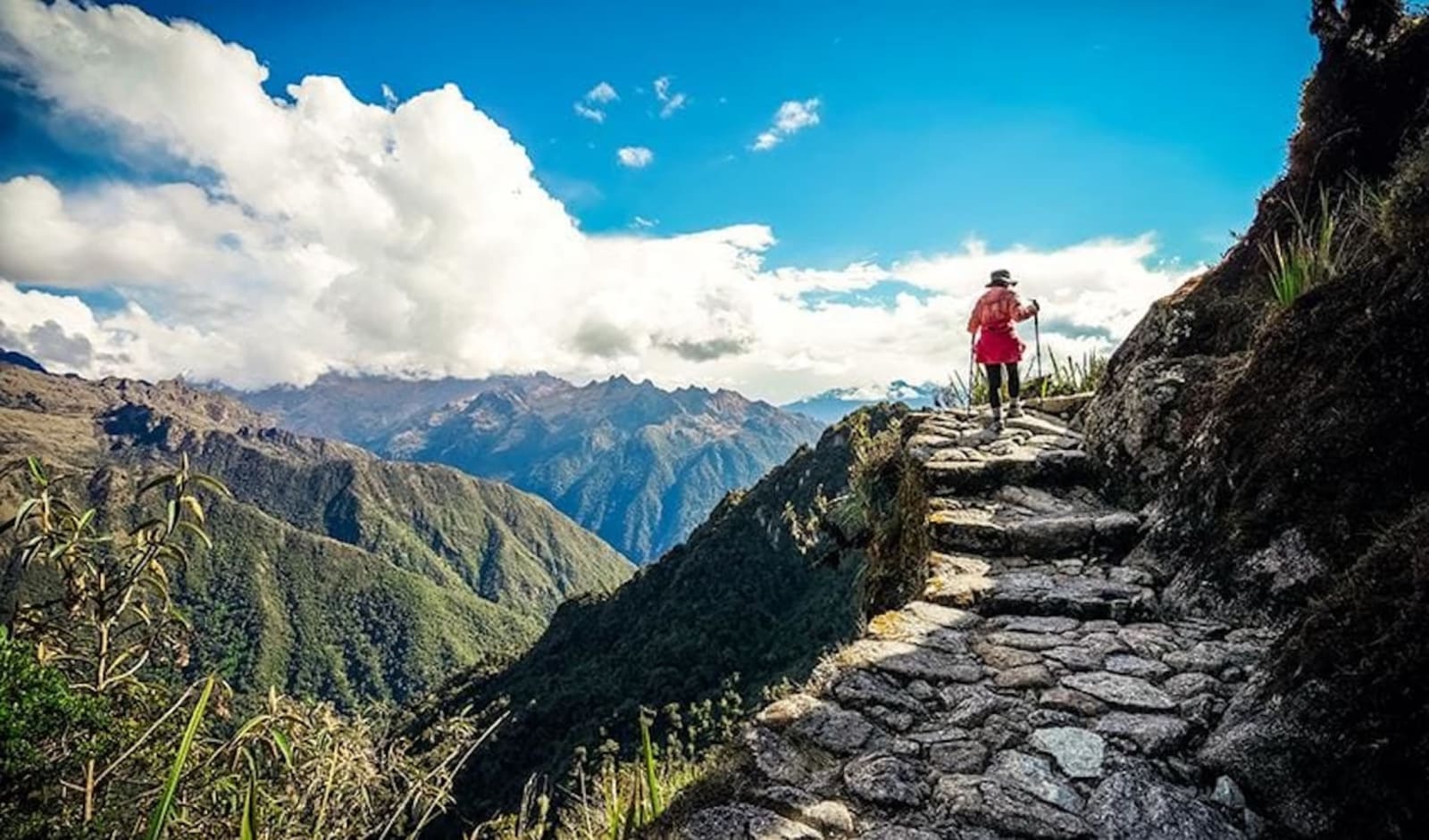
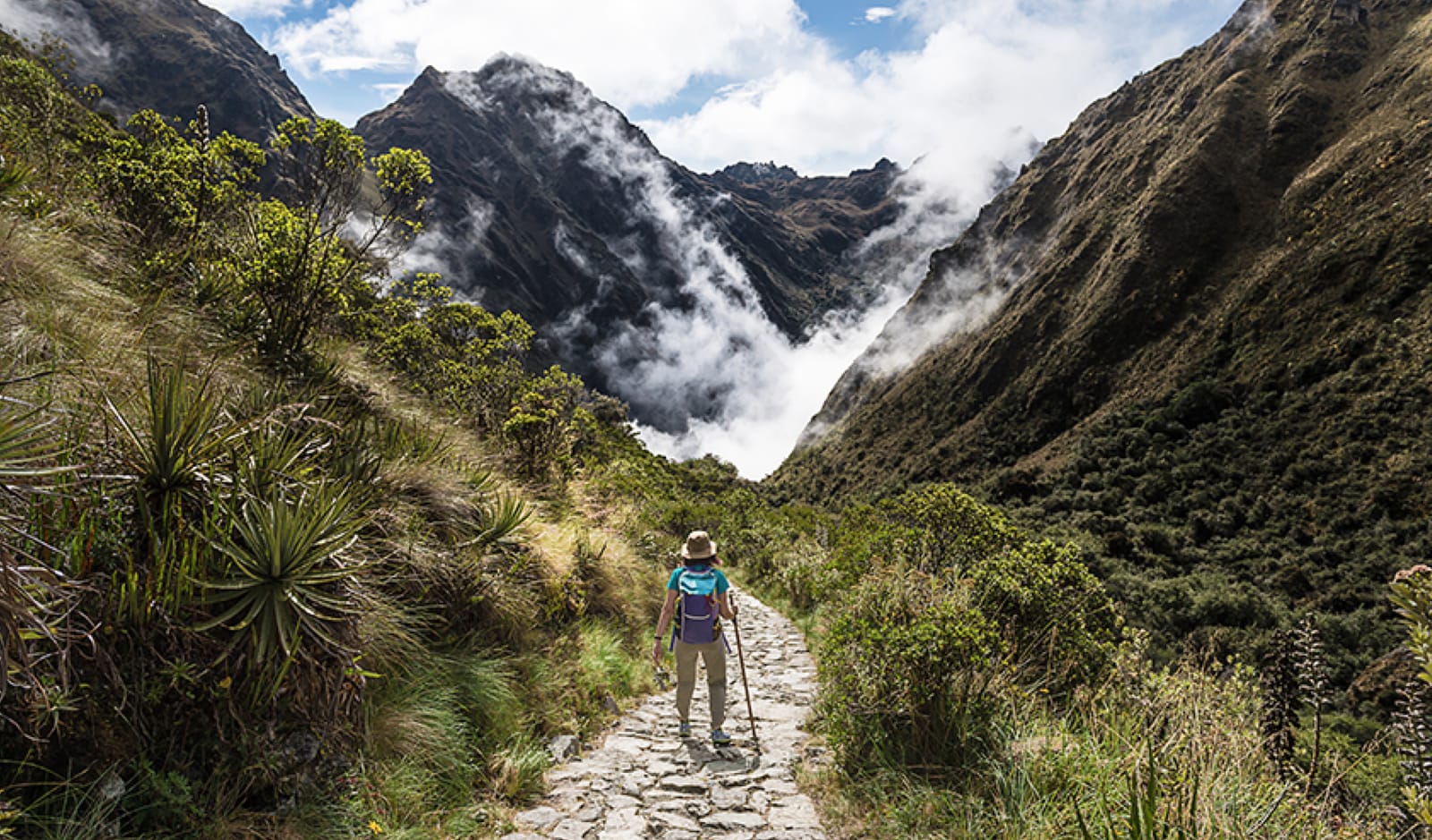
An Inca Trail trek is a supported journey, not simply an entrance ticket with a long walk attached. On our Classic Inca Trail, you spend four days moving from mountain valleys toward ancient stone steps, with our own guides, trail chefs, and fairly paid porters looking after the details. You carry only a day pack; our porters carry camp and food, tents are already up when you reach camp, and meals are ready on arrival. That support is part of what you are budgeting for—not just access to Machu Picchu.
A train-based visit has a different set of costs: transportation to the train station, rail tickets, accommodation if you stay overnight, Machu Picchu admission, guiding, and the bus between Aguas Calientes and the entrance if you choose it. Walking that final uphill approach does not make the visit an Inca Trail trek. The Short Inca Trail offers another option, combining a shorter trail experience with rail travel. Compare complete itineraries rather than assuming every trip labeled “Machu Picchu” includes the same services.
From our own office in Cusco, we help you sort those differences before you commit. Ask us for a current, itemized quote showing inclusions, exclusions, ticket arrangements, and any equipment or personal expenses you need to cover. Tell us your dates early: the Inca Trail closes every February. The right comparison is the total cost of the experience you actually want.
how much does it cost to hike machu picchu with everything included?
When you ask, “how much does it cost to hike Machu Picchu with everything included?” the most useful answer is a trip total, not just the price beside a departure date. Start with your trek booking, then build a separate budget for everything before and after the trail. Ask for a written list of inclusions tied to your exact itinerary: permits, Machu Picchu admission, guides, accommodation, trail meals, drinking water, luggage support, and onward transportation. “All-inclusive” should never leave you guessing which station, hotel, or meal is covered.
On our supported camping treks, you walk; we take care of the trail logistics. Our own guides, trail chefs, and fairly paid porters make that promise tangible: you carry only a day pack, while porters carry camp and food, tents are already up, and meals are ready when you arrive. On Salkantay, your Soraypampa night is in a glamping dome. Still, confirm the arrangements for your chosen route, including personal baggage allowances and whether sleeping bags, trekking poles, or other equipment require a separate rental.
Next, add international flights and any domestic flights needed to reach Cusco, plus airport transfers unless explicitly included. Budget for Cusco accommodation before your trek so you have time to acclimatize, and for a night afterward if your travel schedule requires it. Those nights also mean restaurant meals, snacks, and incidental spending. For rentals, check whether the quote covers the whole trek or charges by the day; a small-looking equipment fee can become a different total across several days.
Finally, price travel insurance that covers trekking at your itinerary’s maximum altitude, emergency evacuation, and relevant cancellation risks. Keep tips separate from the booking price and ask us about customary guidance without treating gratuities as a mandatory fee. Check the first and last day especially: breakfast, lunch, train connections, bus tickets, and hotel drop-off are easy places for assumptions to creep in. Your realistic total is the confirmed trek price plus these outside costs, with a modest cushion for delays or personal extras.
Classic 4-Day vs. Short 2-Day Inca Trail: What Are You Paying For?
The biggest difference between the Classic 4-Day Inca Trail and the Short 2-Day Inca Trail is not simply two extra days—it is how you experience the mountains. On our Classic trek, three nights of trail camping give you time to settle into the rhythm of stone steps, misty ruins, and mornings outdoors. You are paying for a moving camp as well as a guided hike: our own guides, trail chefs, and fairly paid porters make that journey possible.
That support becomes tangible when you reach camp tired and hungry. Your tent is already up, and a meal is ready when you arrive. You carry only a day pack while our porters carry camp equipment and food. Behind those comfortable moments are equipment, supplies, and several days of coordinated work along a route without road access. Our promise—“You walk, we take care of everything”—means you can focus on the landscape instead of setting up shelter or cooking dinner.
Our Short 2-Day Inca Trail trades those three camping nights for a concentrated trail experience and a hotel night before your Machu Picchu visit. You still walk ancient Inca pathways, but you finish the day with a bed rather than a tent. Fewer days reduce some staffing and food requirements, yet they do not erase major trip costs. Permits, Machu Picchu admission, guiding, rail transportation, and transfers still need to be accounted for; hotel accommodation replaces the camping format rather than making the overnight cost disappear.
When asking how much does it cost to hike Machu Picchu, compare the experience and exact inclusions—not just the daily rate. Explore our Classic 4-Day Inca Trail and Short 2-Day Inca Trail options at https://www.peruincatrail.com. Our Cusco team can help you compare current quotes, including hotel arrangements, transport, and any extras. Choose four days for immersion; choose two for less time on the trail, not an automatically half-price adventure.
Where Your Trek Payment Goes: From Permits to a Ready Tent
The last stretch into camp can feel long: dusty boots, tired calves, and the happy realization that you have finished walking for the day. Then you see your tent already pitched. Our trail chefs are preparing your meal, and the equipment you need for the evening is there ahead of you. On our camping treks, that arrival captures what your payment makes possible: you carry only a day pack while our porters carry camp and food. You walk, we take care of everything.
Some of that work starts well before you reach the trail. Your trek payment covers the permits and admissions specified in your itinerary, along with the planning needed to secure them. On the Inca Trail, access is regulated, so a permit is not simply a ticket you can sort out whenever you arrive. Transport is another less-visible part of the cost: getting you to the starting point and arranging the transfers and return journey listed in your package. Check those details carefully when comparing quotes, especially train services and pickup locations.
Then there is the daily work behind a comfortable camp. Food must be purchased, packed, carried, and turned into meals far from a conventional kitchen. Tents, cooking gear, and shared camp equipment need maintenance and replacement. Our guides manage the walking day and help you navigate the challenges of the route; our trail chefs cook; our fairly paid porters make the camp move. We operate locally from our own office in Cusco, with our own trekking team—not as a reseller.
When you ask how much does it cost to hike Machu Picchu, look beyond the final number to the experience it buys. A camping trek includes a different setup from the Short Inca Trail, while our Salkantay treks use glamping domes at Soraypampa. Ask what equipment is supplied, which meals and transport are covered, and whether personal gear rental costs extra. The useful comparison is what each quote actually delivers.
Fair Porter Pay Is Part of the Price, Not an Optional Extra
When you reach camp after a long climb, the small comforts feel enormous: a tent already standing, the smell of dinner, somewhere to set down your day pack. Those moments are made possible by people whose work deserves fair pay—not just a thank-you at the end of the trail. When you ask how much does it cost to hike Machu Picchu, the answer should account for the people carrying camp and food, not only your permit and your place to sleep.
We’re a local trekking operator with our own office in Cusco and our own guides, trail chefs, and fairly paid porters—not a reseller passing your booking to another trekking company. Our commitment is straightforward: porter pay belongs in the trek price. Tips should be an additional expression of appreciation, never a way to make up for inadequate wages. “You walk, we take care of everything” means you carry only a day pack while our team handles camp and meals. That promise must include respect for the people doing the carrying.
Before booking any porter-supported trek, ask direct questions: What are porters paid, and when? Are those wages separate from expected tips? What load limits apply, how are bags weighed, and does the limit include each porter’s personal belongings? Ask what footwear, weather protection, and sleeping equipment are provided, along with what meals porters receive. Then ask about insurance: who is covered, what it covers, and what happens if someone becomes ill or injured on the trail. Clear answers matter more than a vague promise of responsible travel.
A lower quote is not automatically evidence of poor treatment, but an operator should be able to explain how staff welfare fits into its price. Ask us these questions, too. Your budget deserves transparency, and the team making your journey possible deserves working conditions that do not depend on travelers’ generosity. Plan for tips if you wish, but compare trek prices on the understanding that fair pay comes first.
What Does a Cheaper Trek Quote Leave Out?
A cheaper quote can be good value—not a warning sign. It may use a simpler hotel, a different train service, or fewer included transfers. The important question is whether you’re comparing the same journey, from your Cusco pickup to your return after Machu Picchu. When travelers ask us how much does it cost to hike Machu Picchu, we encourage them to put the inclusions side by side before comparing the totals. A little clarity now protects that wonderful moment when you can finally stop planning and start walking.
Start with entry arrangements: does the quote include the permit required for your trekking route, Machu Picchu admission, and a guided visit? Ask which circuit and entry time are included or requested, what remains subject to availability, and whether any additional mountain hike needs a separate ticket. Then check the train’s service class, departure station, arrival station, and scheduled time—not simply whether “train included” appears on the page. Confirm each road transfer, including your return to Cusco, and whether any bus journey between Aguas Calientes and Machu Picchu is covered.
Next, picture where you’ll put down your pack each night. Compare lodging type, room occupancy, bathroom arrangements, and any single supplement. For Salkantay, our Soraypampa stay is in glamping domes; another itinerary may offer something different. On camping routes, ask about tents, sleeping pads, sleeping bags, and rental charges. Check the personal porter allowance separately: how much of your own clothing and overnight gear is carried, and do rented items count toward that limit? Carrying camp equipment is not necessarily the same as carrying your personal belongings.
Finally, read the booking terms together: deposit, balance deadline, payment fees, cancellation charges, change restrictions, and what happens if permits are unavailable or travel is disrupted. Ask for unclear inclusions in writing. Our aim is simple: you walk, we take care of everything. Knowing exactly what that covers lets you choose confidently—whether the right fit is the lowest quote or a more supported experience.
Can You Hike the Inca Trail Without a Tour to Save Money?
No—you cannot hike the regulated Inca Trail independently to save money. Both the Classic 4-Day and Short 2-Day routes require a permit arranged through an authorized operator, and you must hike with an authorized guide. You cannot simply buy an entrance ticket to Machu Picchu, shoulder a backpack, and walk onto the trail. When you’re working out how much does it cost to hike Machu Picchu, that distinction matters: independent travel to Machu Picchu town is possible, but it does not give you access to the Inca Trail.
The best savings start with choosing the experience you actually want. If your dream is to arrive on foot through the Sun Gate but you do not need several nights of camping, compare the full cost of the Short Inca Trail with the Classic route. The shorter trip generally costs less overall, although permits, guiding, transportation, and accommodation still count. If the ancient trail itself is not essential, traveling independently to Machu Picchu town and visiting the citadel can be a lower-cost alternative—just recognize that it is a different experience, not a do-it-yourself Inca Trail trek.
Flexibility can also help you build a more economical itinerary. Our Classic Inca Trail departures run on Monday, Wednesday, and Saturday; our Short Inca Trail departures run daily, subject to availability. Match your flights and Cusco stay to an available departure rather than adding avoidable hotel nights. Reserve ahead for your preferred date, but do not assume booking early guarantees a discount. The Inca Trail closes throughout February, so a cheaper February flight will not make either Inca Trail itinerary possible.
We would rather help you choose a shorter trip than strip the care from a longer one. As a local operator with our own Cusco office, guides, trail chefs, and fairly paid porters, we handle the Classic trek’s camp and food while you carry your day pack. You arrive to pitched tents and ready meals. Save by adjusting the route or optional extras—not by expecting the people carrying your camp to earn less.
You Walk, We Take Care of Everything: Choosing with Confidence
Choosing your trek should leave you excited about the trail, not wondering what the final bill will look like. When you ask how much does it cost to hike Machu Picchu, the most useful answer is an itemized quote for the route and departure you actually want. Look beyond the headline price: confirm permits and entrance tickets, transport and train arrangements, meals, accommodation, guide services, and any equipment you need to rent. Ask what remains yours to cover, too, including tips and meals outside the stated itinerary.
Then picture the experience you are paying for. On our Classic 4-Day Inca Trail, you carry only a day pack with your water, layers, sun protection, and essentials for the walk. Our fairly paid porters carry camp and food, while our guides help you find a comfortable rhythm through stone stairways and mountain passes. When you reach camp, your tent is already up and a meal from our trail chefs is ready. You can take off your boots, settle in, and enjoy being there. You walk, we take care of everything.
If four days on the trail do not fit your plans, our Short 2-Day Inca Trail offers a different balance of hiking time and overnight comfort. Compare its accommodation, meal arrangements, and transport with the Classic rather than assuming the shorter itinerary includes the same services. Our Classic departures run Monday, Wednesday, and Saturday; the Short trek departs daily, subject to permit availability. The Inca Trail is closed in February, so dates matter before you commit to flights or other bookings.
At PeruIncaTrail.com, we have our own office in Cusco and our own trail team—not a reseller passing your booking along. Our guides, trail chefs, and porters are the people behind that promise of care. Tell us your preferred dates, group size, and whether you are considering the Classic 4-Day or Short 2-Day Inca Trail. We will help you choose with confidence: request an itemized quote for either trek, with inclusions and exclusions clearly laid out.
Questions hikers ask us
How much does it cost to hike Machu Picchu?
There is no single price because the route, travel dates, and included services vary. Ask us for a current Classic or Short Inca Trail quote, then add your flights, pre- and post-trek stays, insurance, and other personal expenses to calculate the full trip cost.
Is the Short Inca Trail cheaper than the Classic Inca Trail?
It can be, but a two-day trek is not automatically half the price of a four-day trek. Permits, train travel, guiding, and lodging still affect the total, so compare current quotes and inclusions side by side.
Are Machu Picchu entry tickets and trains included in the trek price?
Check the written inclusions rather than assuming every package covers the same arrangements. Your quote should specify Machu Picchu access, train services, transfers, and any costs you must pay separately.
How do I know whether porters are paid fairly?
Ask the operator how porter pay is set and what provisions exist for loads, equipment, meals, and insurance. We work with our own fairly paid porters, and we believe their pay should be built into the trek price rather than depend on tips.
Do I need to budget for porter and guide tips?
Keep a separate allowance if you would like to tip, and ask for current guidance before departure. Tips are a gesture of appreciation, not a replacement for fair wages.
Can I hike the Inca Trail independently to save money?
No—the Classic and Short Inca Trail routes require booking through an authorized operator and hiking with a guide. Visiting Machu Picchu independently by train is a different experience and does not give you access to hike the Inca Trail.
Will I need to pay extra for someone to carry my bag?
On our Classic Inca Trail, you hike with only a day pack while our porters carry camp and food. Confirm the personal-item allowance and any excess-baggage charges in your quote, and ask separately about luggage arrangements for the Short Inca Trail.
Is February a cheaper time to hike the Inca Trail?
The Inca Trail is closed in February, so neither the Classic nor Short route is an option that month. For other dates, compare live availability and quotes rather than assuming a quieter month guarantees a lower price.