An Honest Salkantay Trek Story: Glacier, Domes and Cloud Forest
By our team in Cusco · 1 November 2026
Before the salkantay trek: Excitement, Doubts, and Preparation
We don’t have a verified, consented hiker recollection to share here, so we won’t turn imagined excitement or doubts into someone’s testimony. But before the Salkantay trek, there is plenty worth anticipating—and asking about. How will the altitude feel? What happens if the weather changes? Beyond the photographs of glaciers and cloud forest lies a demanding mountain journey. Our Cusco team’s preparation advice starts with making room for both the excitement and the practical questions.
Give yourself time in Cusco to acclimatize before departure rather than treating the trek as your first introduction to altitude. Keep those early days gentle, eat regularly, stay hydrated, and avoid alcohol while adjusting. Fitness helps with long walking days, but it does not guarantee protection against altitude illness. Ask a healthcare professional about your personal risks before traveling. Once here, tell our guides promptly about headaches, nausea, dizziness, or unusual fatigue; pushing quietly through symptoms is not a badge of honor.
Pack for contrasts, not just the glacier in the headline. Cold mountain air, strong sun, rain, and warmer cloud-forest stretches can all shape the experience. Bring broken-in hiking footwear, comfortable socks, layered clothing, waterproof outerwear, sun protection, and a refillable water bottle. Keep medication and essentials in your day pack. Before leaving Cusco, confirm your itinerary’s luggage allowance and transport arrangements with us, along with dietary needs and any equipment questions. A lighter pack should come from planning, not from leaving essential protection behind.
At Soraypampa, our Salkantay treks sleep in glamping domes: a sheltered place to settle beneath the mountain skyline, though the setting remains high and cold. We’re a local trekking operator with our own Cusco office, not a reseller, so these conversations happen with the team behind your trip. You walk; we take care of the arrangements. Preparation cannot promise effortless miles, but it can help you begin with clearer expectations and more space to notice where you are.
Glacier Views and the First Cold Night in Soraypampa
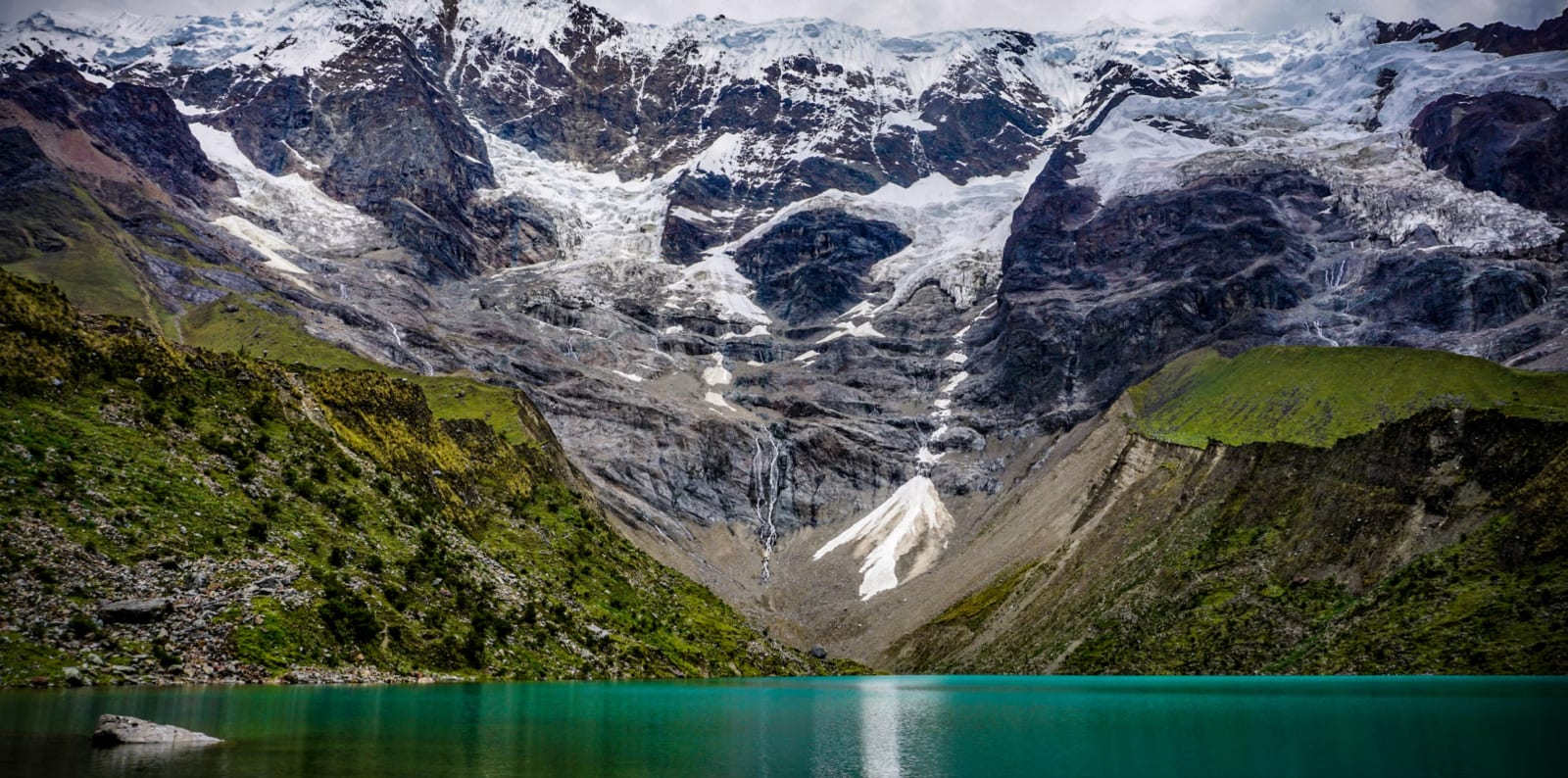
At Soraypampa, the scale of the mountains changes how we experience the salkantay trek. The valley opens beneath steep slopes and high, ice-covered peaks; when clouds lift, snow and glacier ice stand out against darker rock. Wind can sharpen the chill even while daylight remains. Our guides in Cusco encourage you to pause here rather than rush straight inside: take in the ridgelines, notice how quickly the light shifts, and give yourself time to settle into the altitude.
These are glacier views, not glacier walking. Seeing ice high on the mountain does not mean our trekking route takes you onto it, and this is not a technical mountaineering outing. Clouds may hide the upper slopes, so we never promise an uninterrupted panorama. Part of the experience is watching what the weather reveals: a pale section of ice, a dark ridge, or a summit briefly emerging before mist closes around it again.
Our overnight stay in Soraypampa is in glamping domes, giving this first mountain night a different feel from sleeping in a trail tent. We take care of the overnight arrangements and meals, leaving you space to rest rather than organize camp. That comfort matters after a day outside, but a dome is not a guarantee of warmth. We do not want the word “glamping” to suggest hotel-style temperature control; at this elevation, the cold deserves preparation, whatever the shape of your shelter.
Before evening, keep your warm layers, dry socks, hat, and headlamp within easy reach. Change out of damp clothing, eat, and let our guides know how you are feeling, especially if a headache, nausea, or dizziness develops. Check the supplied sleeping setup and recommended personal gear with us before departure. The aim is not to pretend the cold disappears, but to help you meet that first night prepared, with mountain views outside and practical care close by.
The Hardest Part of the salkantay trek: Crossing the Pass
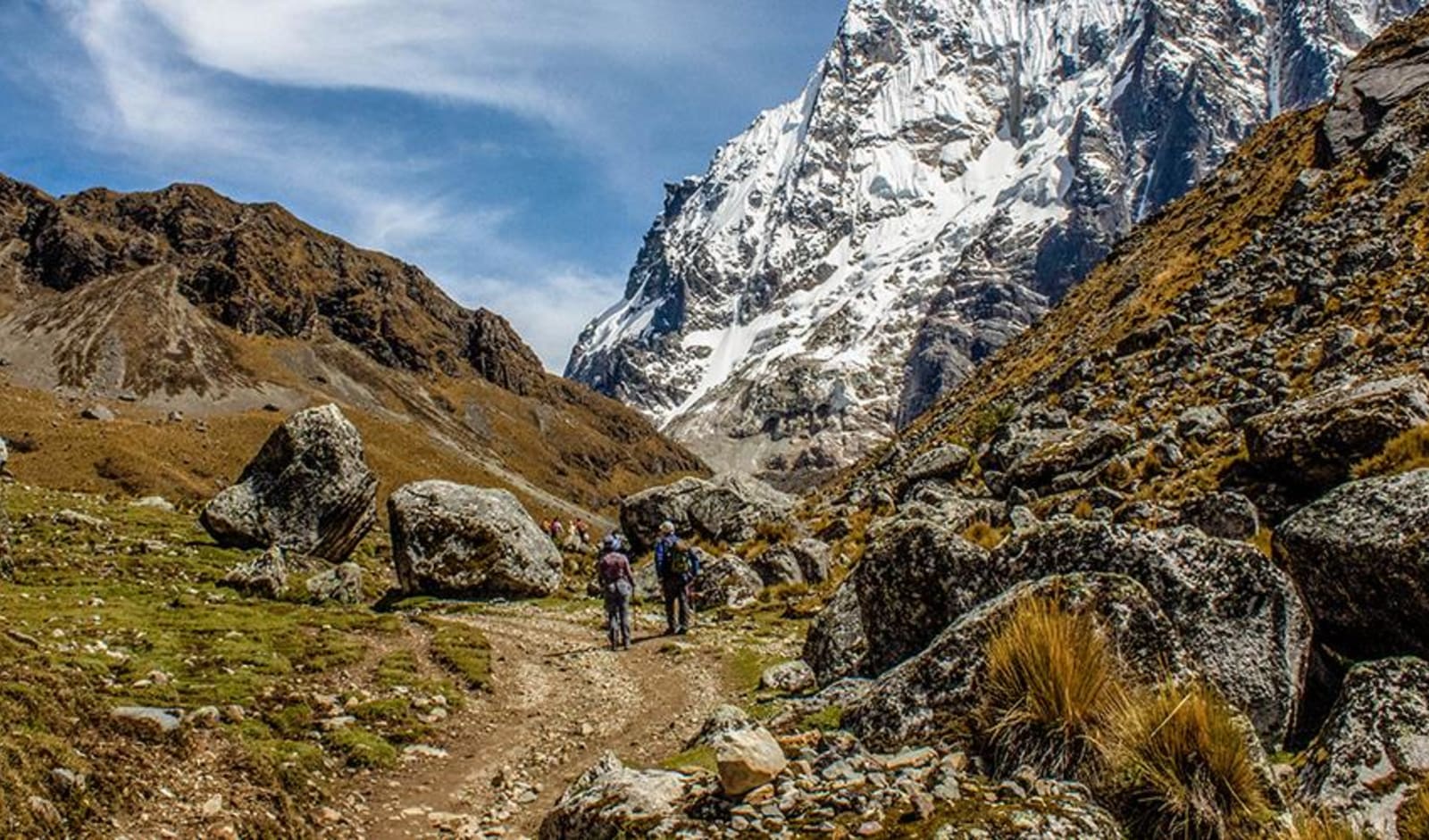
Leaving the domes at Soraypampa, the climb toward Salkantay Pass asks for something less dramatic than bravery: patience. The slope keeps going after your legs first suggest a break. You shorten your stride, find a rhythm, then lose it when the next incline makes you stop for breath. The glacier draws your eyes upward, but much of your attention settles on the few feet of trail ahead. This is where the salkantay trek becomes more than beautiful scenery.
The difficulty comes from sustained effort at altitude, not a single tricky move. Even hikers who exercise regularly can find themselves breathing harder and moving more slowly than expected. A day pack feels different when every uphill step takes concentration, though you are not carrying camp or food. There is no useful prize for matching someone else’s pace. Small steps, brief pauses, and accessible water and snacks make the climb more manageable without pretending it is easy.
Our guides stay attentive to how you are doing, not just how far you have left to walk. We help you settle into a sustainable pace and check in when you are struggling. Tell us about a headache, nausea, dizziness, or unusual exhaustion rather than quietly trying to push through. Breathlessness during exertion can happen at altitude, but worsening symptoms or breathlessness at rest need prompt attention. Reaching the pass is never more important than your health; stopping the ascent or descending may be necessary.
At the pass, relief can arrive before any grand sense of achievement: you stop climbing, adjust a layer against the wind, and finally look around. For many hikers, this is the hardest stretch, though the descent still demands energy and careful footing on tired legs. The mountain does not suddenly become easy. What changes is the task ahead: climbing gives way to descending, with our guides supporting you through both.
Into the Cloud Forest: When the Landscape Changes
Below the pass, the change comes gradually: less bare rock, more grass, then shrubs and trees gathering along the slopes. The wind can still find you on exposed stretches, but farther down, the air often feels softer and warmer. On the Salkantay trek, this descent is more than a change of scenery. After the effort of crossing the high point, you begin to notice different things—the sound of running water, leaves moving beside the path, and clouds drifting across hillsides that were hidden a moment earlier.
Your lungs may welcome the lower elevation before your knees welcome the downhill. Long descending stretches can leave thighs trembling and make every uneven step demand attention, especially after the climb. Our guides encourage a steady pace rather than a rush toward camp. Shorter steps and trekking poles can help you feel more secure; pause somewhere stable when you want to take in the view. Tell us if discomfort becomes pain. There is no prize for keeping quiet and trying to match someone else’s stride.
Layers change with the landscape, too. The insulation you needed near the pass may soon feel too warm, especially while walking, but keep your rain shell within reach rather than buried in your bag. Mountain sunshine can give way to mist or rain, and cloud forest does not guarantee warm, dry weather. Depending on recent rainfall, the trail may be dusty and firm, muddy in patches, or slippery over wet stones. We adjust our pace to the footing, leaving room between hikers where careful steps matter.
By the time greenery closes around the trail, the stark mountain world can feel surprisingly far behind. You still carry the day in your legs, but only a day pack on your shoulders; our team handles the camp and food logistics. That support matters most when you are tired: you can concentrate on your next step, the changing forest, and the promise of a meal waiting when you arrive.
You Walk, We Take Care of Everything
On the salkantay trek, the relief of reaching camp is more than taking off your boots. It is knowing you do not have to start another shift: finding cooking gear, pitching a tent, or figuring out dinner while your legs are still trembling from the descent. You walk, we take care of everything. Your job is to carry your day pack, keep your rain layer handy, and leave enough room in the day to notice the glacier disappearing behind the clouds.
Behind that promise is our own team, coordinated from our office in Cusco—not a chain of resellers. Our guides help you find a sustainable rhythm, explain what lies ahead, and take your concerns seriously when the altitude or a long downhill stretch feels harder than expected. Our trail chefs handle the food and cooking, with meals ready when you arrive at the planned stops. Meanwhile, our fairly paid support team handles the less visible work that makes a tired afternoon feel manageable: moving supplies, organizing equipment, and preparing your overnight stop.
At Soraypampa, that means sleeping in a glamping dome rather than putting up your own tent in the cold. Elsewhere, the overnight setup follows your booked itinerary; where camping is included, tents are already up when you arrive. You keep water, layers, sun protection, medication, and other daytime essentials with you. Camp equipment and food travel separately, leaving your shoulders free of the full expedition load.
One detail deserves a clear conversation before departure: Salkantay support arrangements are route-specific. Do not assume the Inca Trail’s porter system applies throughout this trek. Confirm with our Cusco team which sections use porters, pack animals, or vehicle transport, along with your luggage allowance, bag handover points, and included transfers. We will explain the arrangements for your departure so you know exactly what stays with you and what our team handles.
Four Days or Five: Which Salkantay Trek Fits Your Trip?
After the glacier air and the warm, green descent into cloud forest, it’s tempting to reduce the choice to one question: how many days can you spare? We’d start somewhere else: what does each day actually ask of you? Our Salkantay Trek to Machu Picchu (5D/4N) and Salkantay Trek to Machu Picchu (4D/3N) deserve a day-by-day comparison—not an assumption that five days means gentle walking or four days means a harder trek.
Before you choose, ask our team in Cusco for the current itineraries side by side. Compare each day’s walking distance, estimated trail time, elevation gain and loss, and starting and finishing points. Then check the transfers: which stretches you walk, which you cover by vehicle or train, and when those connections happen. A shorter schedule might omit a stop or replace walking with transport; a longer one might include additional walking rather than simply spread the same route over another day. Those are possibilities to check, not differences we should promise without the confirmed schedules.
Overnight arrangements matter just as much as mileage. Our Salkantay treks include glamping domes at Soraypampa, where the mountain setting is part of the experience—but a dome does not make the high-altitude night warm by default. For either departure, confirm every subsequent overnight location and accommodation type, along with the stops included en route. Look closely at the final approach to Machu Picchu, too: arrival timing, sleep, and the next morning’s arrangements can shape how that long-awaited visit feels.
Our advice is simple: choose the salkantay trek whose confirmed walking days, stops, transfers, and nights fit your energy and available time. Tell us what matters most—unhurried scenery, manageable daily effort, or fitting the journey into a tighter trip—and we’ll help you compare the actual routes.
What We'd Tell You Before You Go: Weather, Packing, and Altitude
We’d choose May through September for a better chance of dry trails and clear mountain views on the Salkantay trek—but we’d still pack for rain. The dry season brings cold nights, especially at Soraypampa, where stepping outside your dome after sunset can feel like opening a freezer. April and October can offer a good balance, though conditions vary. November through March is generally wetter, with muddier footing and possible weather-related route changes. No month guarantees an uninterrupted glacier view.
Your day pack should hold everything you’ll want before reaching camp: a waterproof jacket, rain pants, a warm insulating layer, gloves, a hat, sunscreen, sunglasses, and water. Add snacks, personal medication, blister supplies, and a headlamp; keep your phone and spare clothing inside waterproof bags. Trekking poles help on long descents, and broken-in boots or trail shoes with reliable grip matter more than shiny new gear. We take care of camp and meals, but the layer you need when clouds roll over the pass belongs with you, not in your main bag.
Give yourself at least two or three nights in Cusco before setting out, ideally longer if you’re arriving directly from sea level. Keep those first days gentle: stroll, rest, eat regularly, and drink normally rather than forcing extra water. Acclimatization is not a fitness test; strong runners can struggle while slower walkers feel comfortable. The pass takes you substantially higher than Cusco, so arriving early gives your body time to begin adjusting—not a guarantee that altitude symptoms won’t appear.
Tell our guides promptly about a headache, nausea, dizziness, or unusual fatigue; don’t wait until you can barely keep walking. We’d rather pause and reassess than have you push through worsening symptoms. Don’t ascend higher while symptoms persist. Confusion, trouble walking steadily, or breathlessness at rest require urgent descent and medical attention. Before traveling, ask a clinician about your personal risk and whether altitude medication is appropriate.
Reaching Machu Picchu: Was the Journey Worth It?
After the cold at Soraypampa, the climb toward the pass, and the descent into greener, warmer valleys, reaching Machu Picchu brings a different kind of anticipation. The walking has given this arrival a long lead-in: early starts, tired legs, and landscapes that changed around you day by day. Now there are stone terraces stepping down the mountainside and steep green ridges beyond them. You don’t have to feel instantly transformed. Sometimes the reward is simply being there, catching your breath, and letting the place come into focus.
There’s an important arrival detail to understand before booking: the Salkantay trek does not enter Machu Picchu through the Inca Trail’s Sun Gate, or Inti Punku. Instead, the route brings you toward Aguas Calientes, the town below the site, and you enter through Machu Picchu’s main visitor entrance. Your final approach, entrance time, and permitted circuit depend on your booked itinerary and ticket. We’ll help you understand those details in advance, so you arrive knowing what to expect rather than picturing an entrance that belongs to a different trek.
That planning matters most when you’re tired. Keep your passport and entrance documents accessible, leave room in your day pack for rain protection, and follow your guide’s instructions for the visit. With our local team handling the arrangements included in your itinerary, you can give your attention to the setting rather than the next logistical question. You walk; we take care of everything we’ve planned together.
Was the effort worth it? That final reflection belongs to the hiker; without their verified account, we won’t invent an answer or a quote. If you’re considering your own journey, talk with our local Cusco office about your fitness, available days, and hopes for the trail. We’ll help you plan a Salkantay trek that leaves space for your own honest answer.
Questions hikers ask us
How difficult is the Salkantay trek?
The Salkantay trek is challenging because of sustained walking, steep climbs and descents, and high-altitude conditions. Our guides support your pace and our team handles camp and food, but carrying only a day pack does not remove the physical demands.
Can beginners do the Salkantay trek?
Some beginners with good fitness and preparation can complete it, but it should not be treated as an easy first hike. Build up to consecutive hiking days, allow time to acclimatize in Cusco, and discuss your experience and any health concerns before booking.
Should I choose the 4-day or 5-day Salkantay trek?
We offer both a 4D/3N and a 5D/4N itinerary. Compare the daily walking, included stops, transfers, and time available rather than assuming that four days means less effort; our Cusco team can help you choose.
Where do you sleep on the Salkantay trek?
On our Salkantay treks, you sleep in glamping domes at Soraypampa. Confirm the accommodation for every other night on your chosen itinerary, and pack for cold conditions even when sleeping in a dome.
What is the best time of year for the Salkantay trek?
May through September generally brings drier conditions, though cold nights and sudden weather changes remain possible. Wetter months can bring muddy trails and disruptions; the Inca Trail's February closure is not a blanket closure of Salkantay, whose departures depend on conditions and availability.
What do I carry, and what does your team handle?
You carry a day pack with water, layers, rain protection, sun protection, and personal essentials. We handle camp and food logistics, meals, and overnight setup; check your booking details for personal baggage allowances and required sleeping gear.
Does the Salkantay trek enter Machu Picchu through the Sun Gate?
No—the Salkantay route typically reaches Machu Picchu via Aguas Calientes, not the Inca Trail's Sun Gate entrance. Your final approach and visit follow your booked itinerary and Machu Picchu ticket arrangements.