 5D/4N
Salkantay Trek to Machu Picchu
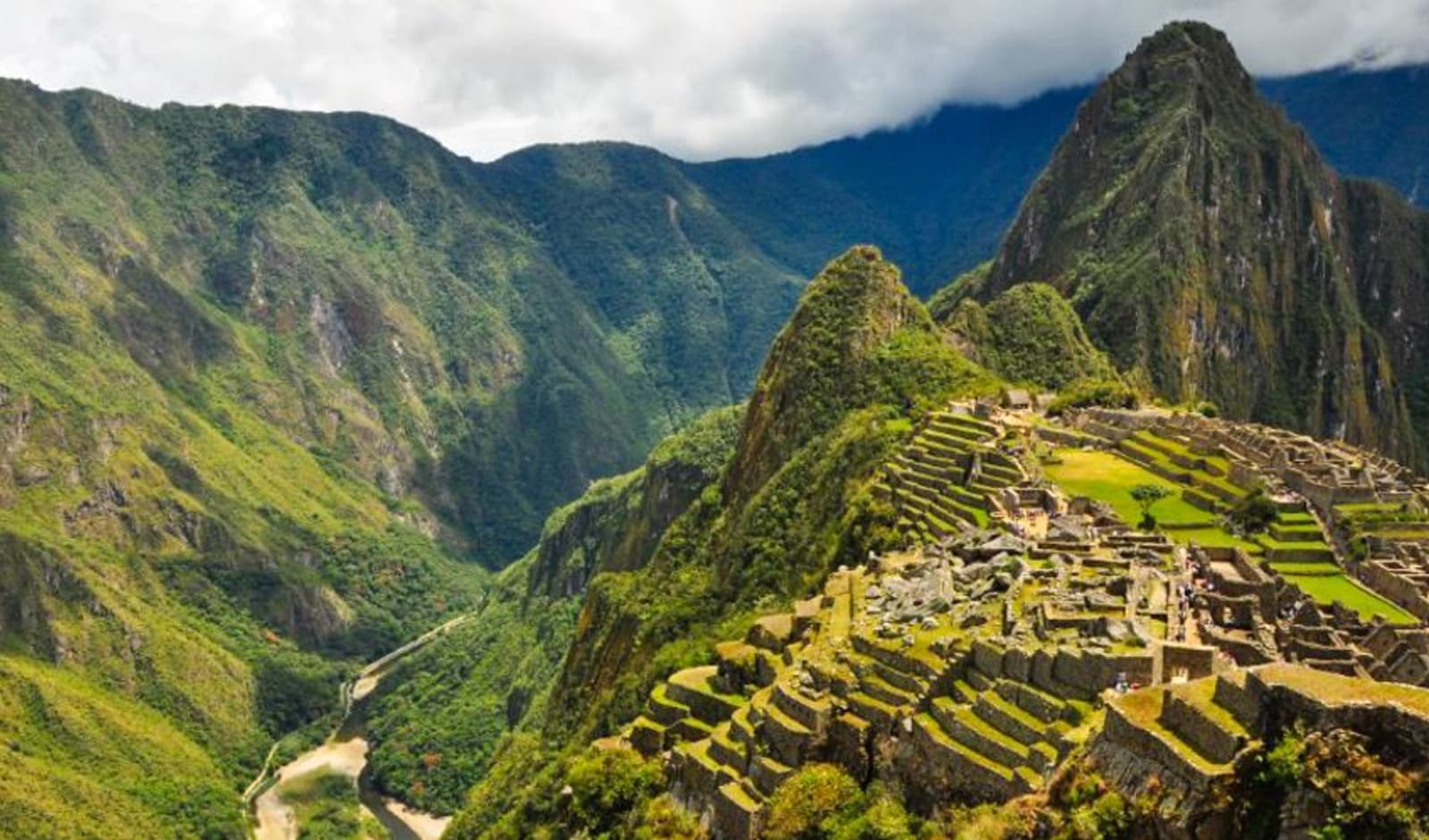
Humantay Lake, the Salkantay pass and cloud forest down to Machu Picchu.
from $650 USD
See trek details 
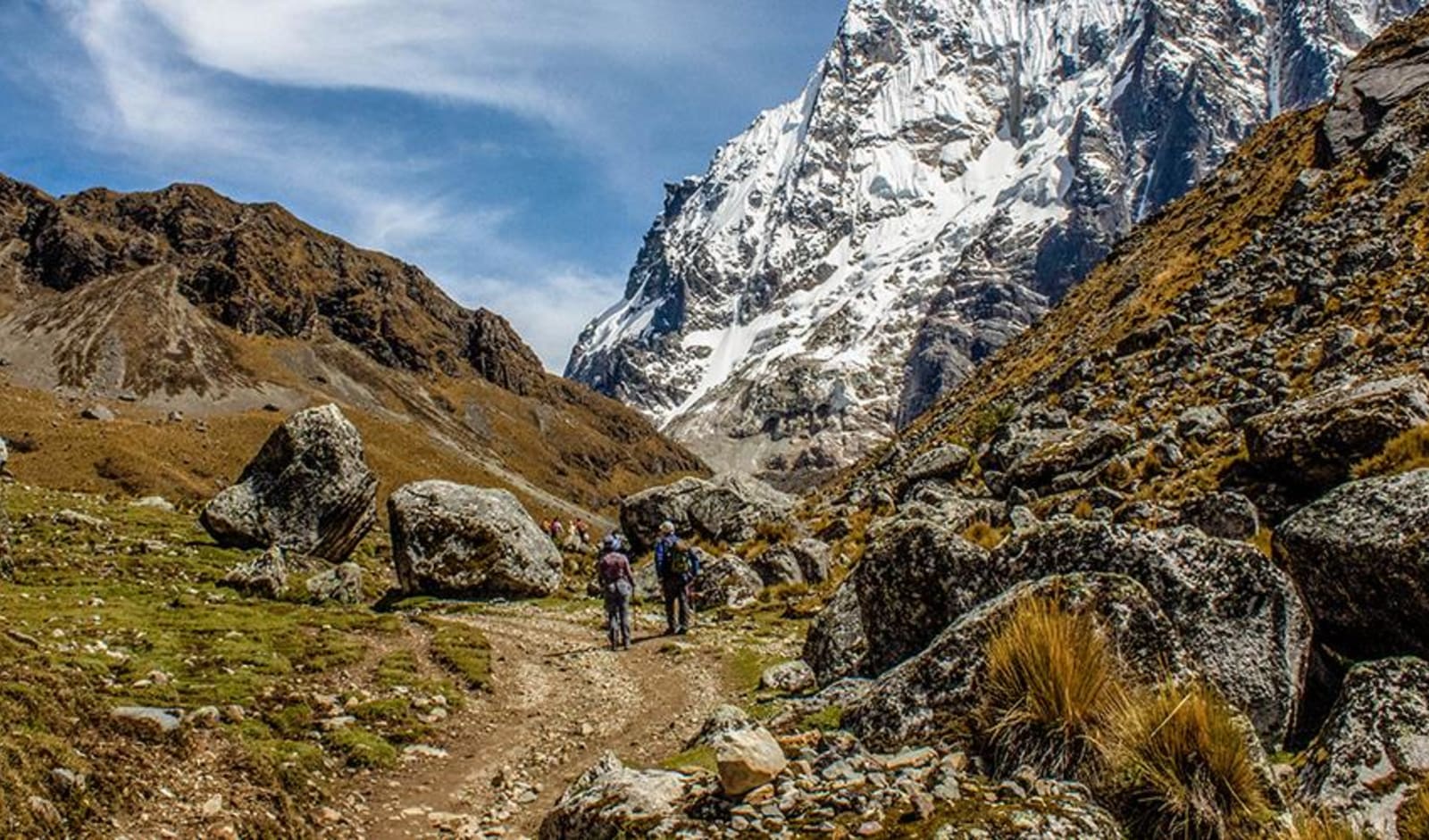
All the drama of Salkantay in four days. Glacier lake, the 4,600 m pass and a spectacular descent into warm cloud jungle, ending at the foot of Machu Picchu. It's the version for strong walkers with a tight schedule — longer days, the same jaw-dropping views, and our crew taking care of every meal and every camp.
Guides, chefs and crew are our team in Cusco — no middlemen, no resold departures.
Porters and horsemen are paid fairly, carry legal weights and get proper gear and meals.
Our trail chefs cook fresh Andean dishes three times a day.
Leave No Trace camps, waste carried out, community projects supported.
Day 1
Walking time
3–4 h
Distance
7 km
Climb
+450 m
Descent
−450 m
Highest point
4,200 m
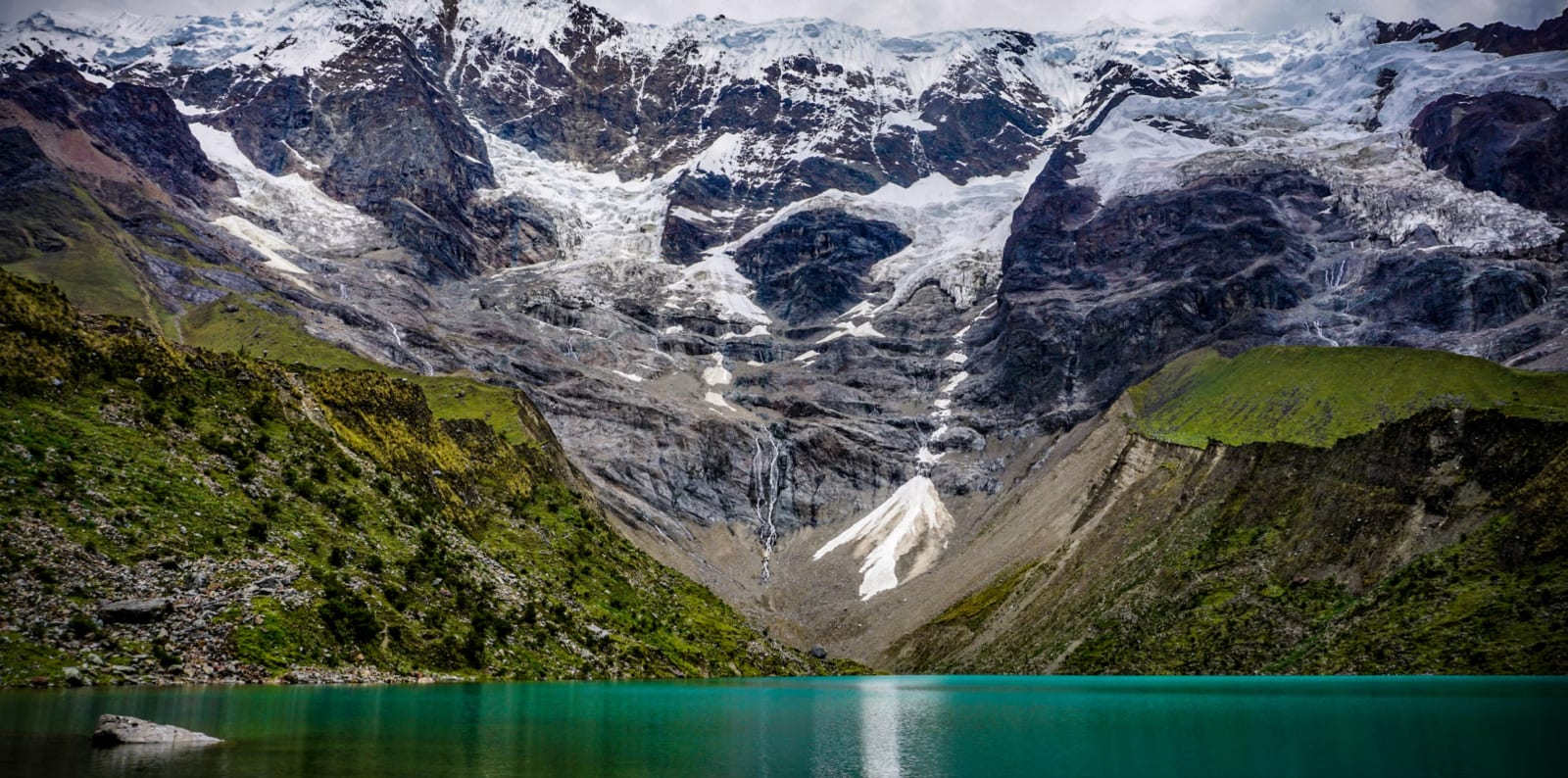
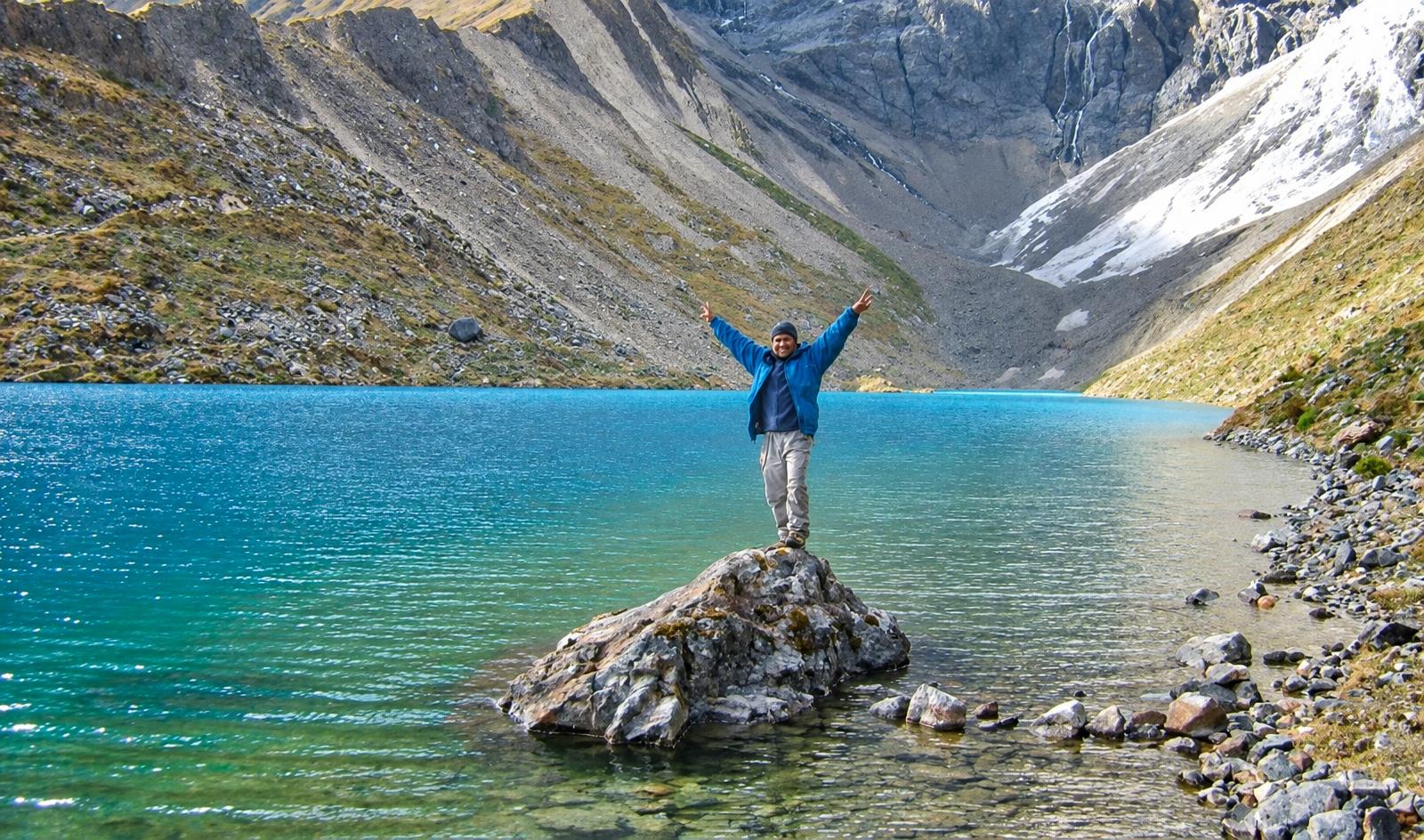
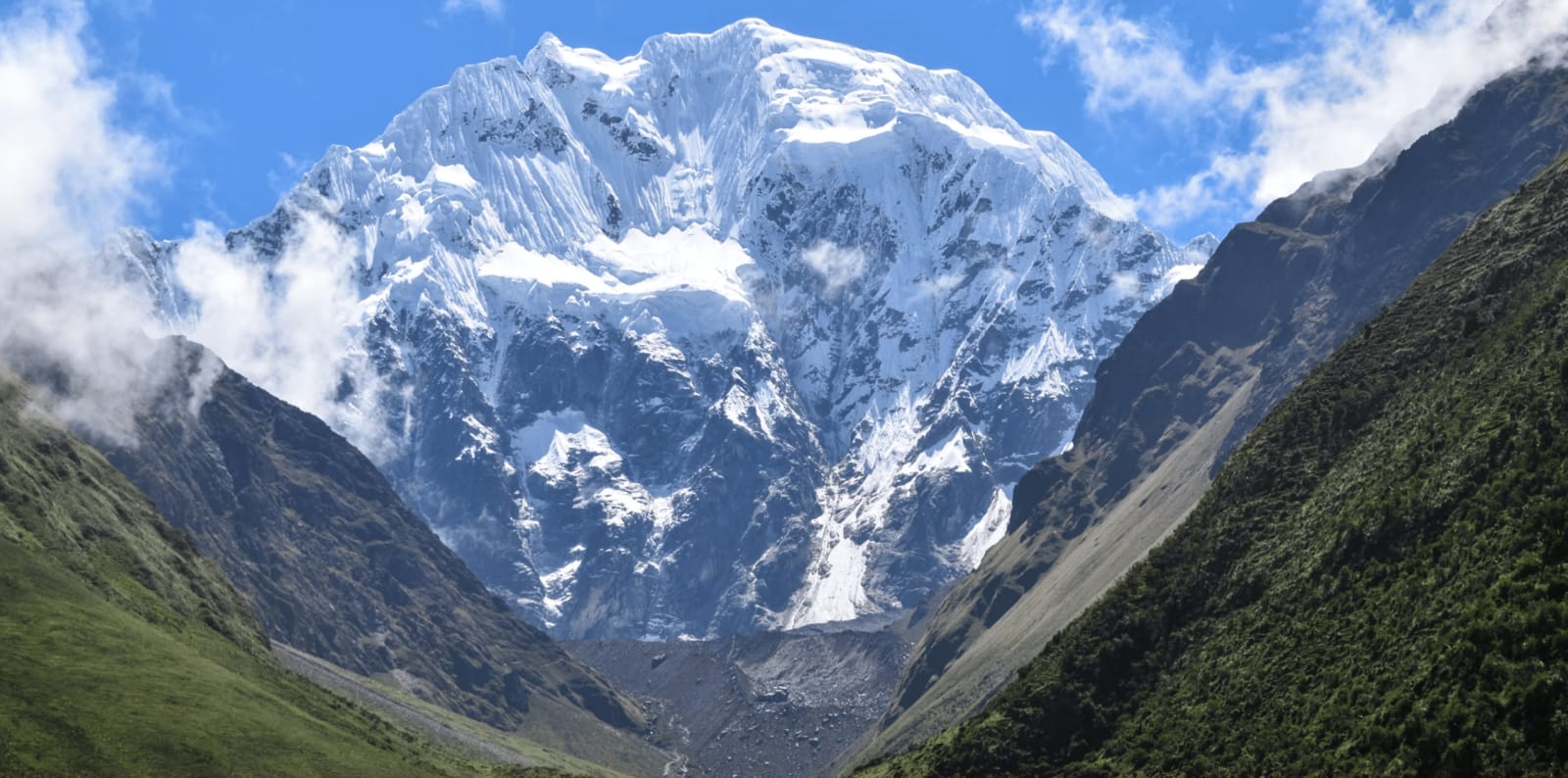
We pick you up before dawn and drive through sleeping villages to Mollepata, where breakfast is waiting. By late morning you reach Soraypampa, right beneath the white wall of Salkantay. After lunch you climb slowly to Humantay Lake — and nothing prepares you for that colour: a turquoise mirror held by a glacier. Sit on the rocks, catch your breath, listen to the ice crack. Back at camp the tea is hot, the stars come out, and the mountain glows pink before it disappears into the night.
November 2026
Daily departures all year, no permit needed — book up to 3 days before. Tap a green date to book it.
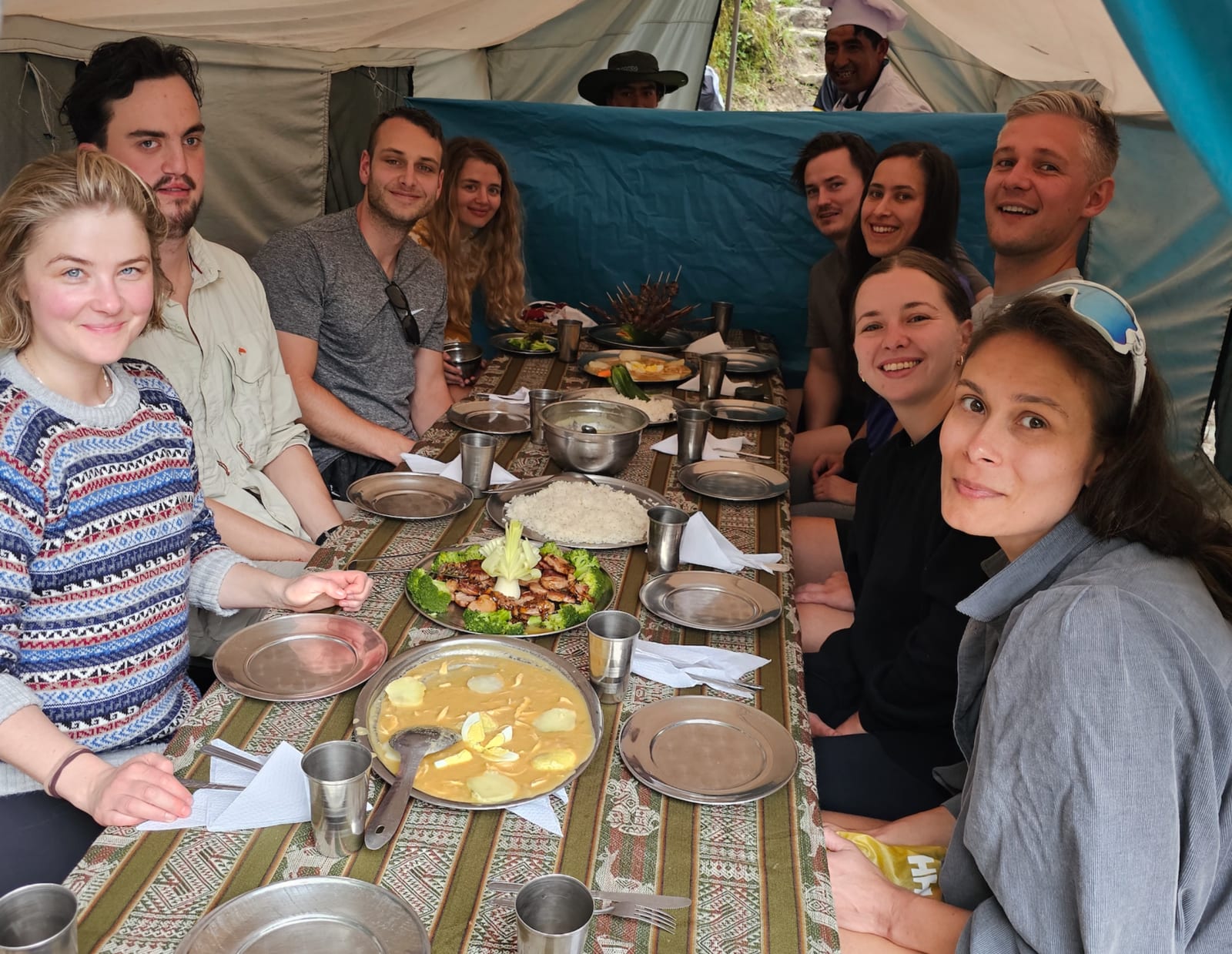
Our chefs cook three hot meals a day — quinoa soup, lomo saltado, fresh trout, Andean herbal teas — with vegetarian, vegan and gluten-free options. Our crew are Quechua men and women from the communities around Cusco. We pay them fairly, respect legal load limits and support their families through our community program.
Challenging. Days 2 and 3 are both long (7–8 hours), with the 4,600 m pass and nearly 2,000 m of total descent. Choose the 5-day version if you prefer a calmer pace.
Every trek we run is rated from 1 (easy) to 5 (hard). This one is a 4.
Gentle walks of 2–4 hours, little climbing. Anyone in normal health.
Unique City Tour: Inca Trail, Alpacas & Ruins
4–6 hours a day with some climbs, mostly below 3,500 m. Regular walkers.
Short Inca Trail (Express) · Inca Jungle Trek
5–7 hours a day, steady climbs and passes up to around 4,000 m. Good basic fitness.
Lares Trek to Machu Picchu · Inca Quarry Trek to Machu Picchu · Rainbow Mountain Trek · Salkantay & Humantay
6–8 hours a day on steep stone steps, one or more passes above 4,000 m. Fit hikers who train beforehand.
Classic Inca Trail · Lares Fusion Inca Trail · Salkantay Fusion Inca Trail · Salkantay Trek to Machu Picchu · Salkantay Trek to Machu Picchu
Long, remote days, big daily climbs and high passes near 5,000 m. Experienced, very fit trekkers.
Choquequirao Trek to Machu Picchu · Ausangate Trek
Open all year — including February. May to September is driest.
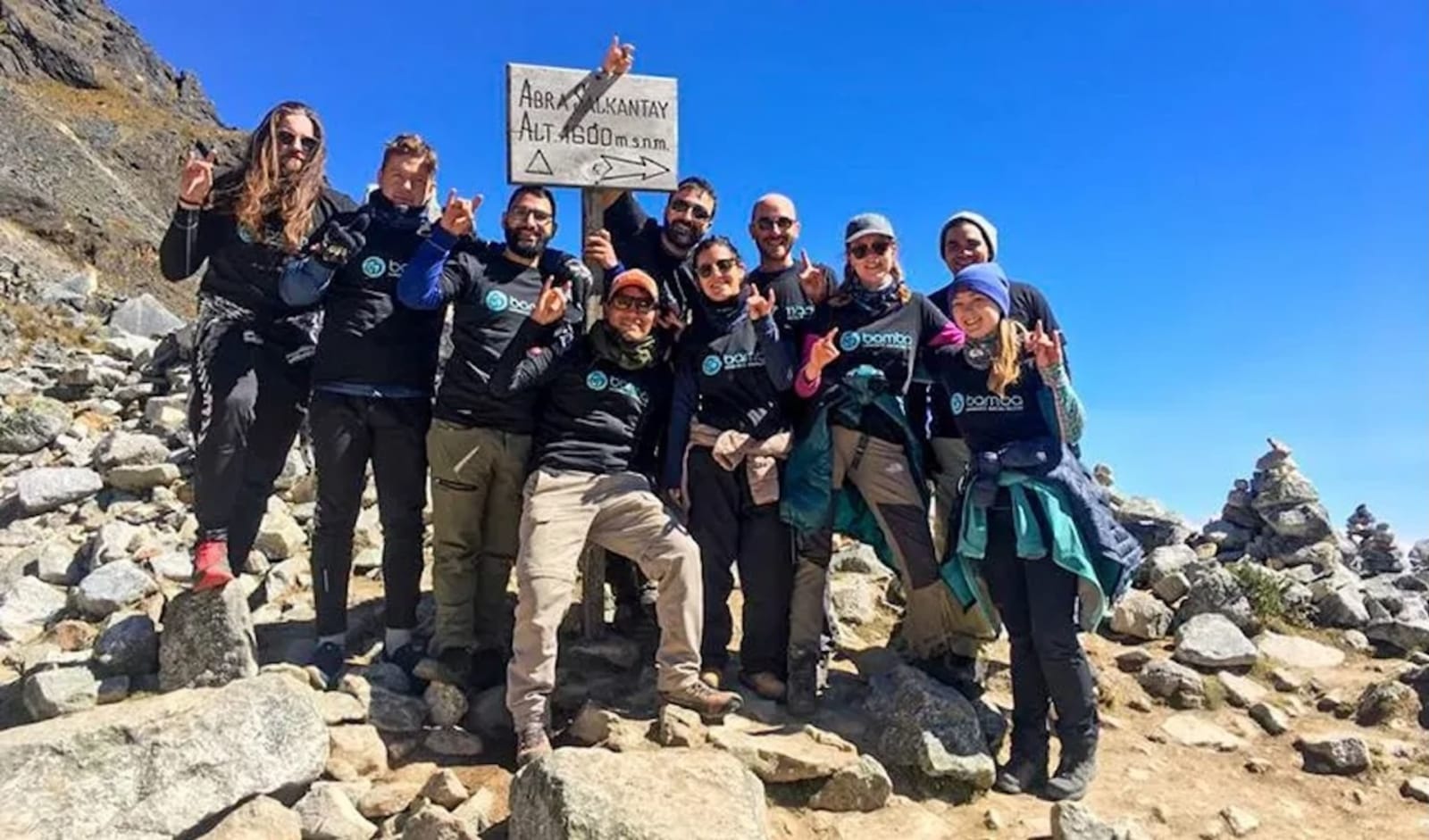
Challenging (4 of 5): long days and one big pass at 4,600 m. No technical skills needed, but good fitness and 2–3 days of acclimatization in Cusco.
No. Unlike the Inca Trail, Salkantay doesn't need a permit, so you can book with short notice and it's open all year, including February.
The 5-day version is calmer, adds the coffee farm and the Llactapata trail with views of Machu Picchu, and gives you an evening at the Cocalmayo hot springs. The 4-day version is for strong hikers with less time.
In our tents or sky-view domes at the camps, and in a hotel in Aguas Calientes the last night.
Nights at Soraypampa (3,900 m) can drop below 0 °C in the dry season. We provide warm tents; rent a thermal sleeping bag if you don't have one.
No. You reach Aguas Calientes by trail and train and visit Machu Picchu by bus the next morning. If you want the Sun Gate, look at our Salkantay Fusion Inca Trail.
Yes, on day 1 — it's an acclimatization walk to one of the most beautiful lakes in Peru.
Spend at least 2 days in Cusco (3,400 m) before the trek, drink lots of water, avoid alcohol the first days and walk slowly. Our guides carry emergency oxygen and a first aid kit.
You only carry a light day pack. Our crew (porters on the Inca Trail, horsemen and mules on Salkantay and Lares) carries the tents, kitchen, food and up to 5–7 kg of your personal gear.
Three hot meals a day plus snacks and tea, cooked fresh by our trail chefs. Vegetarian, vegan and gluten-free diets are available on request.
Yes, boiled and filtered water from the first lunch onwards. Bring a 1–2 litre bottle.
Broken-in hiking boots, rain jacket, warm layers, hat, sunscreen, insect repellent, headlamp, water bottle, personal medication, passport and some cash.
Yes. It must cover hiking at altitude, medical evacuation and trip cancellation.
Tips are optional but appreciated. Many hikers give around 40–80 USD per person in total, shared between the crew.
Most of our hikers are between 25 and 60. Fit hikers older than that walk with us every month — pace matters more than age.
Yes. Ask us when booking and we'll add the ticket or move your return train.
We are based in Cusco and run every trek with our own guides, chefs and crew. No middlemen: your money goes to the people who make your trip.
Fully supported trekking
You only carry a light day pack with water, a jacket and your camera. Our porters carry the tents, the kitchen and the food, and go ahead of you so everything is ready when you arrive.
Wake up
Hot coca tea at your tent and breakfast on the table.
On the trail
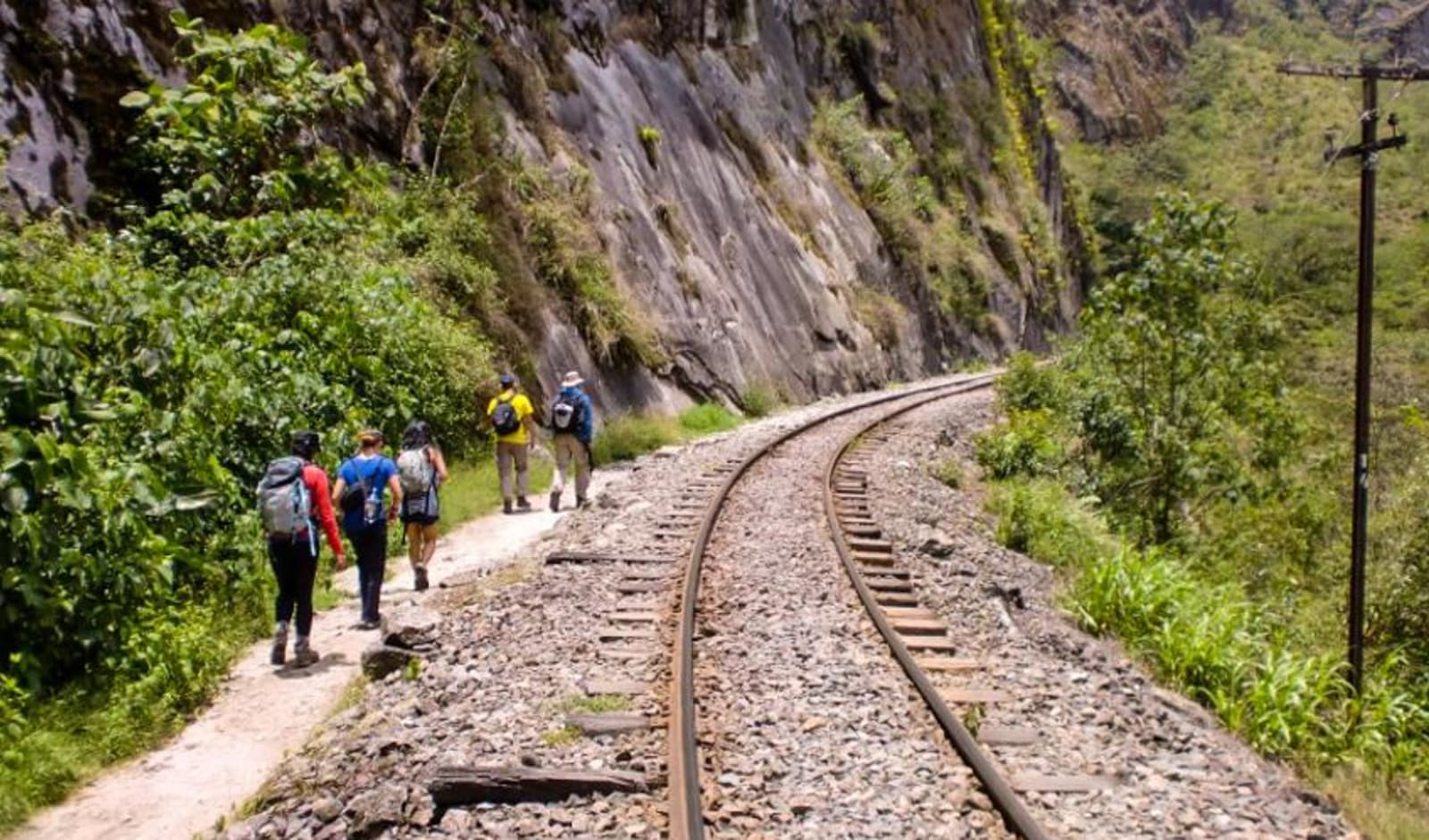
Walk at your own pace with your guide and a light day pack.
Lunch stop
You walk in and lunch is already cooked and served.
Arrive at camp
Your tent is up, your sleeping mat is in, and warm water is waiting to wash.
Evening
Afternoon tea and snacks, then a 3-course dinner in the dining tent.
Every day of every trek. All you have to do is walk and enjoy it.
Not available for your dates?
Same team, same food, same care — and usually more room to pick a date. Every one of them ends at Machu Picchu.
5D/4NHumantay Lake, the Salkantay pass and cloud forest down to Machu Picchu.
 4D/3N
2 days beneath the Salkantay glacier, then the 2-day Express Inca Trail into Machu Picchu.
 4D/3N
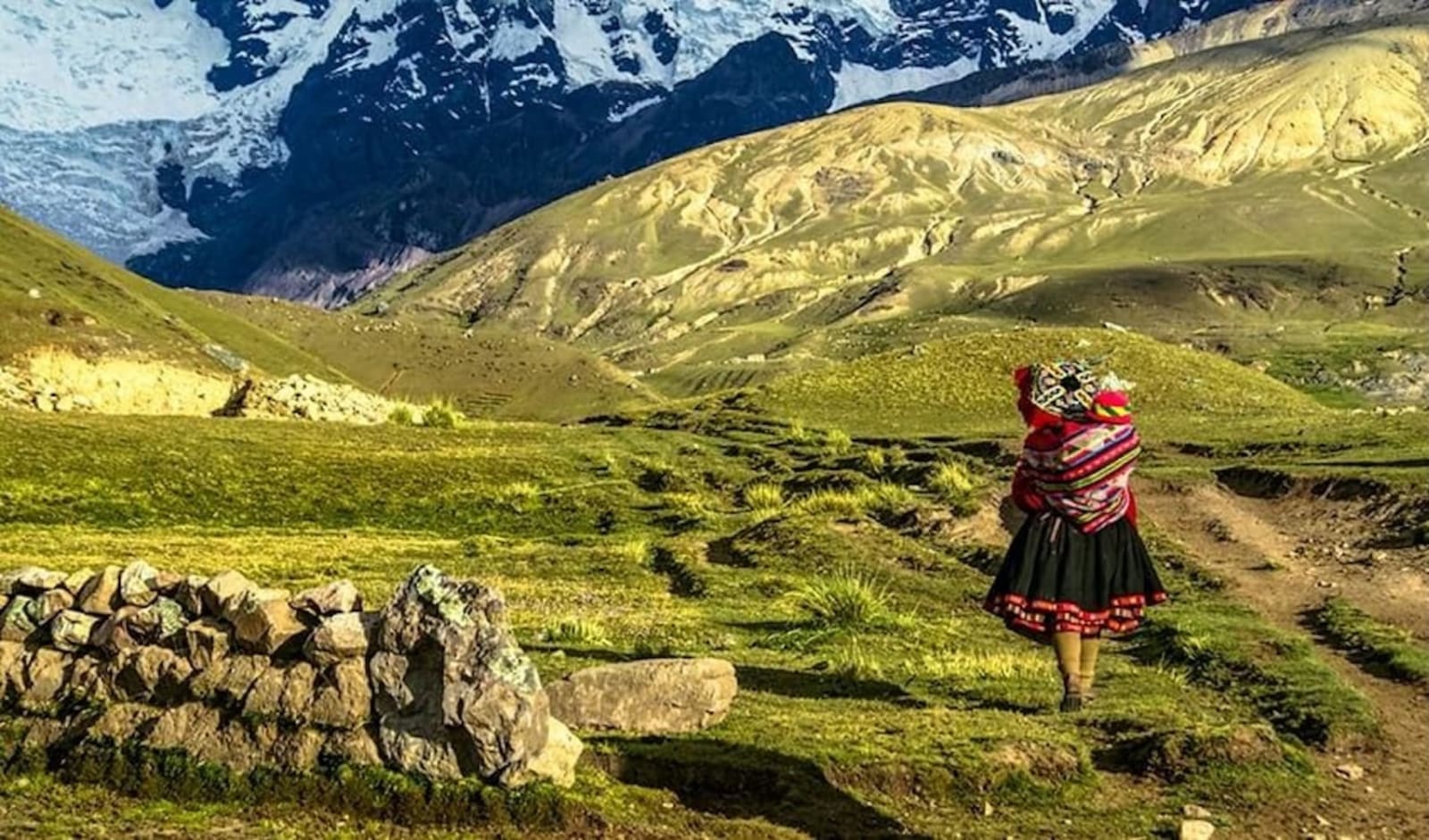
Weaving villages, hot springs and alpaca herds in the Andean highlands.
 4D/3N
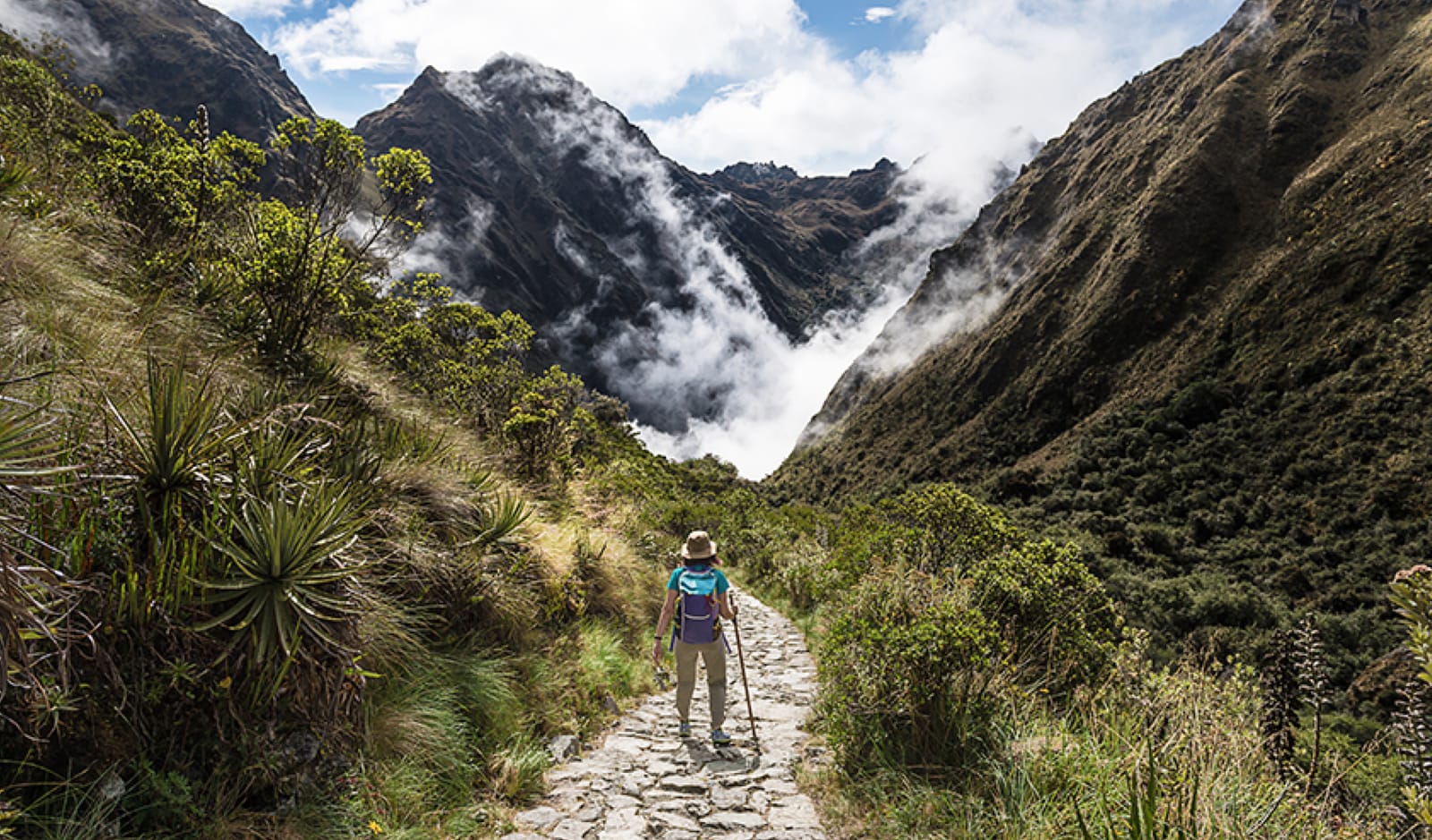
The classic 42 km route over Dead Woman's Pass, arriving through the Sun Gate at dawn.
Talk directly with our team in Cusco — real people, quick answers.
WhatsApp