Inca Trail vs Salkantay vs Lares: Which Machu Picchu Trek Is Best?
By our guides in Cusco · Updated 31 October 2026 · 11 min read
The three treks at a glance
| Classic Inca Trail | Salkantay Trek | Lares Trek | |
|---|---|---|---|
| Days | 4 days / 3 nights | 4 or 5 days | 4 days / 3 nights |
| Distance | ≈ 42 km | ≈ 60–70 km | ≈ 30–35 km |
| Highest point | 4,215 m (Dead Woman's Pass) | ≈ 4,600 m (Salkantay Pass) | ≈ 4,450 m |
| Difficulty (our 1–5 scale) | 4 · Challenging | 4 · Challenging | 3 · Moderate |
| Permit needed | Yes — limited daily permits | No | No |
| Departures | Mon, Wed, Sat | Daily | Daily |
| Arrive at Machu Picchu | On foot, through the Sun Gate | By train / bus from Aguas Calientes | By train / bus from Aguas Calientes |
| Inca ruins on the way | Many — the trail itself is Inca | Few (Llactapata viewpoint) | Few |
| Best for | The iconic arrival | Mountain scenery, last-minute plans | Culture, quieter trails |
Classic Inca Trail: the one you walk into Machu Picchu
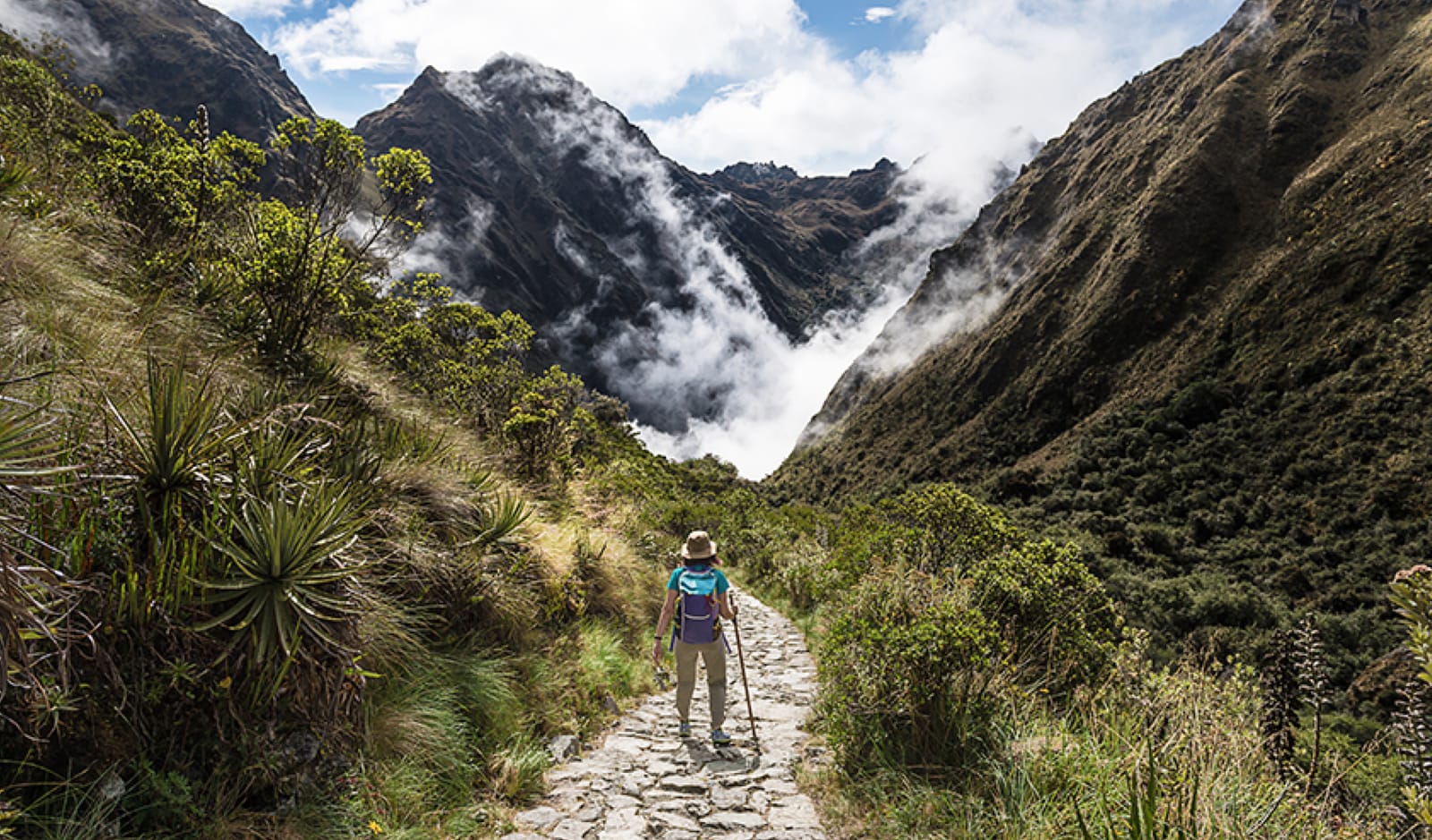
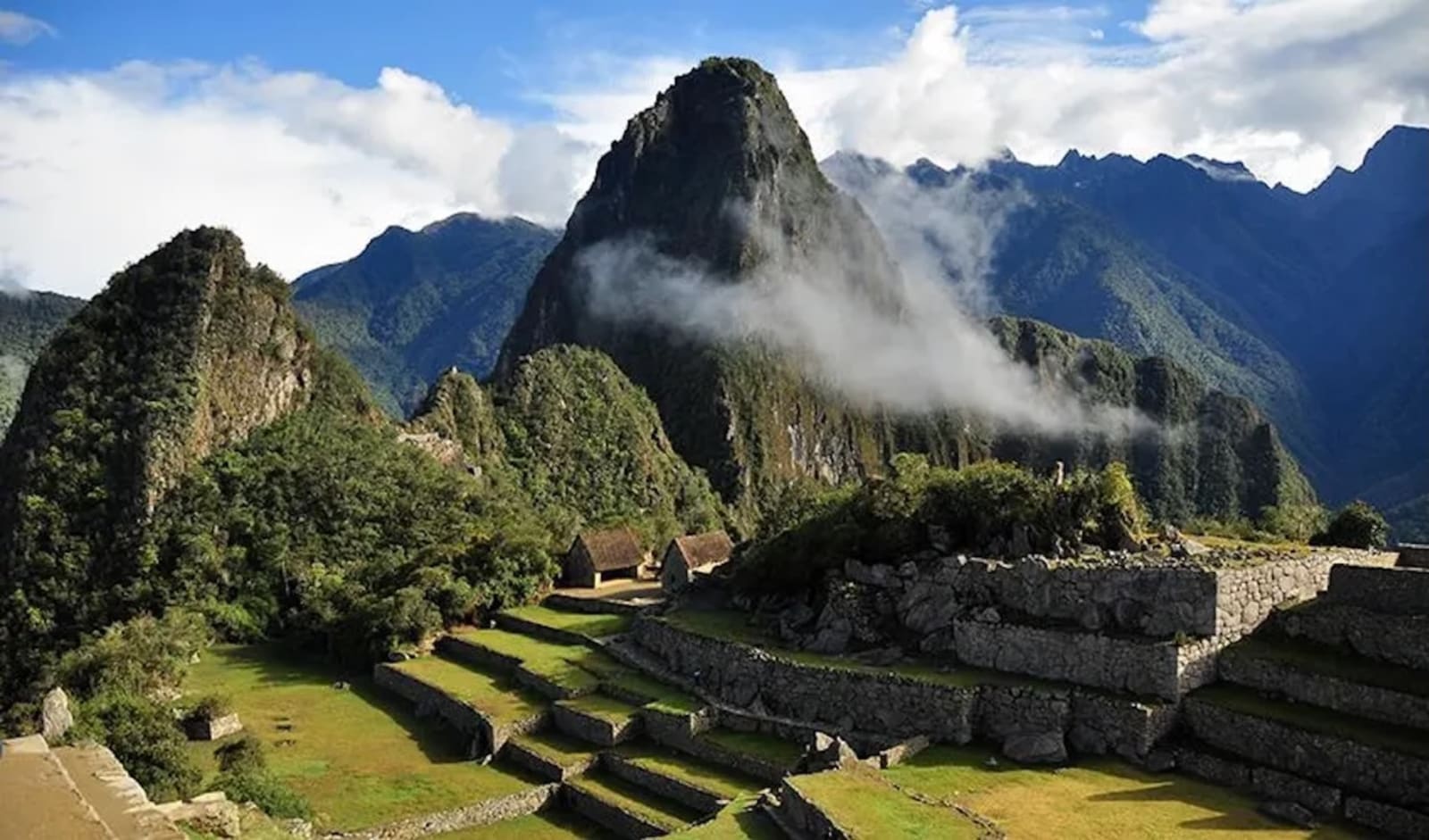
The Classic Inca Trail is the only trek on this list where the path itself is Inca: stone stairways, tunnels and ruins such as Runkurakay, Sayacmarca and Wiñay Wayna that you can only reach on foot. On the last morning you walk through the Sun Gate and see Machu Picchu below you. Nothing else gives you that.
The trade-off is planning. Peru's government limits how many people can start the trail each day, and permits for May to September often sell out months ahead. Each permit is issued in the hiker's passport name and cannot be changed. The trail closes every February for maintenance.
Day 2 is the hard one: a long climb to Dead Woman's Pass at 4,215 m, then a steep stone descent. With porters carrying the camp, you only carry a day pack.
Salkantay Trek: the big mountains
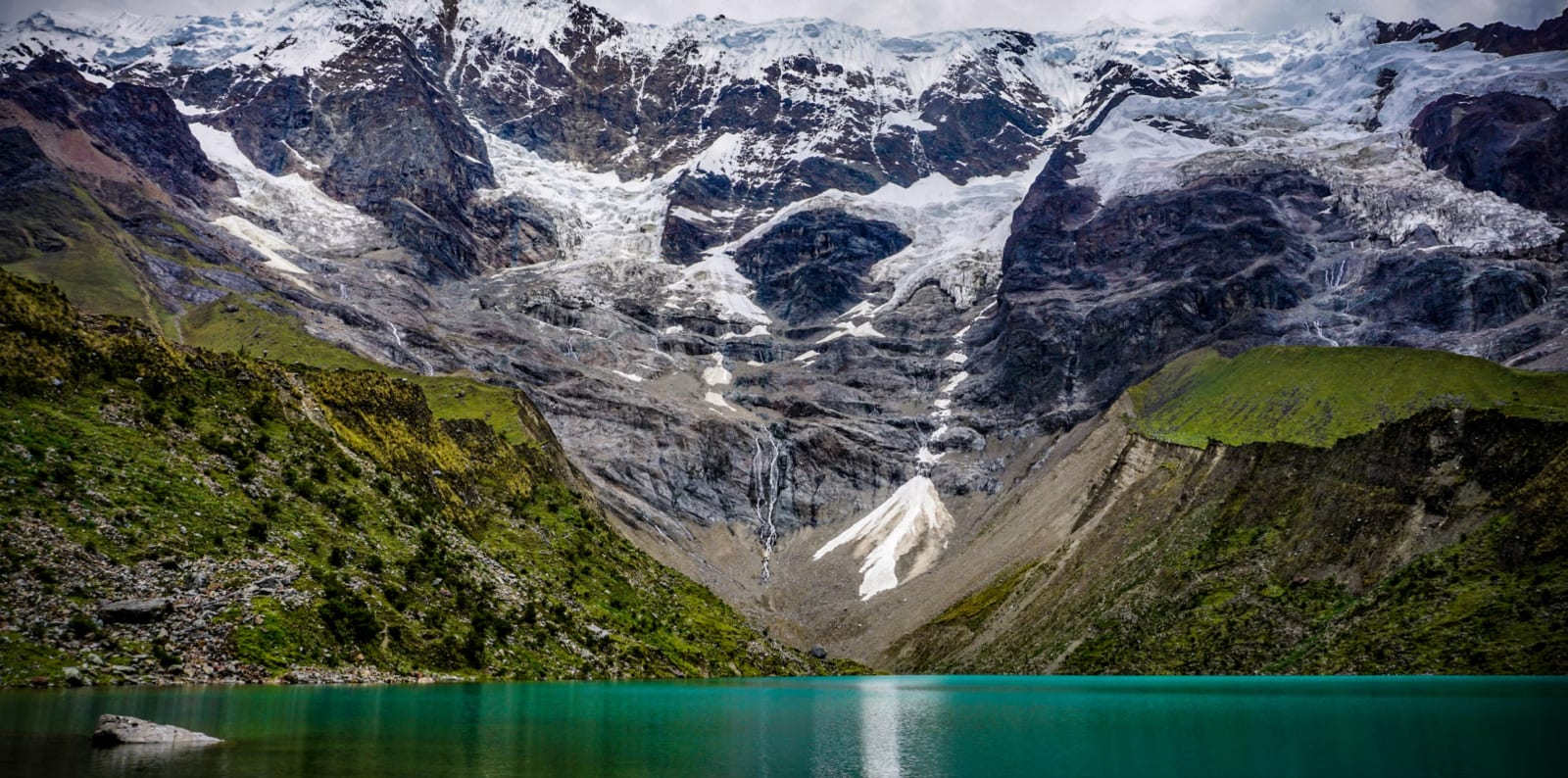
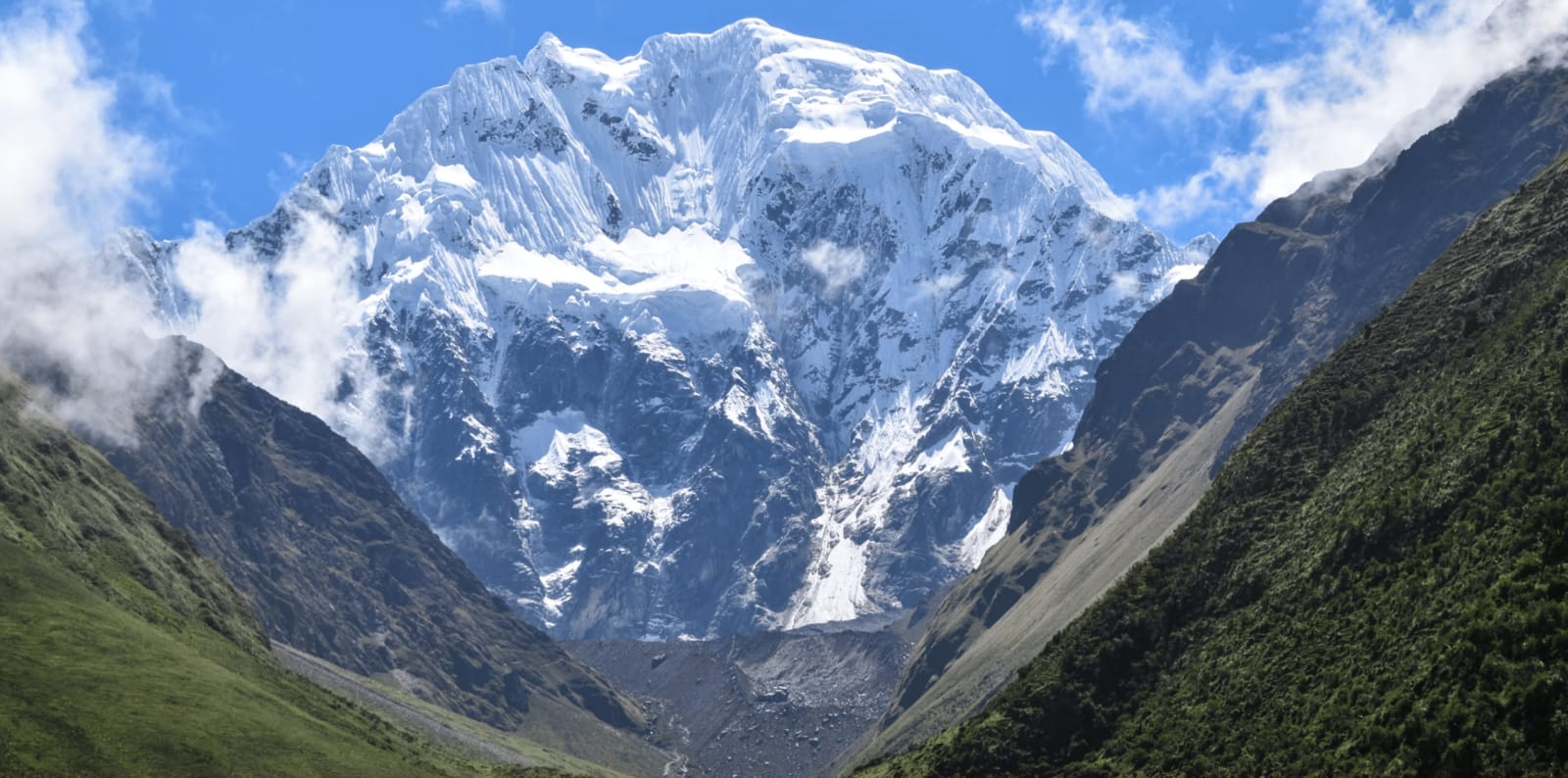
Salkantay crosses a pass of about 4,600 m right beneath the glacier of Salkantay, one of the Andes' sacred peaks, then drops into warm cloud forest, coffee farms and waterfalls. On the 5-day version you also visit turquoise Humantay Lake. Our Salkantay groups sleep in glamping domes at Soraypampa, with a window onto the mountain.
No permit is needed, so you can book Salkantay with as little as 3 days' notice and leave any day of the year — including February, when the Inca Trail is closed. You reach Machu Picchu by train or bus from Aguas Calientes rather than on foot.
Lares Trek: villages, weaving and hot springs
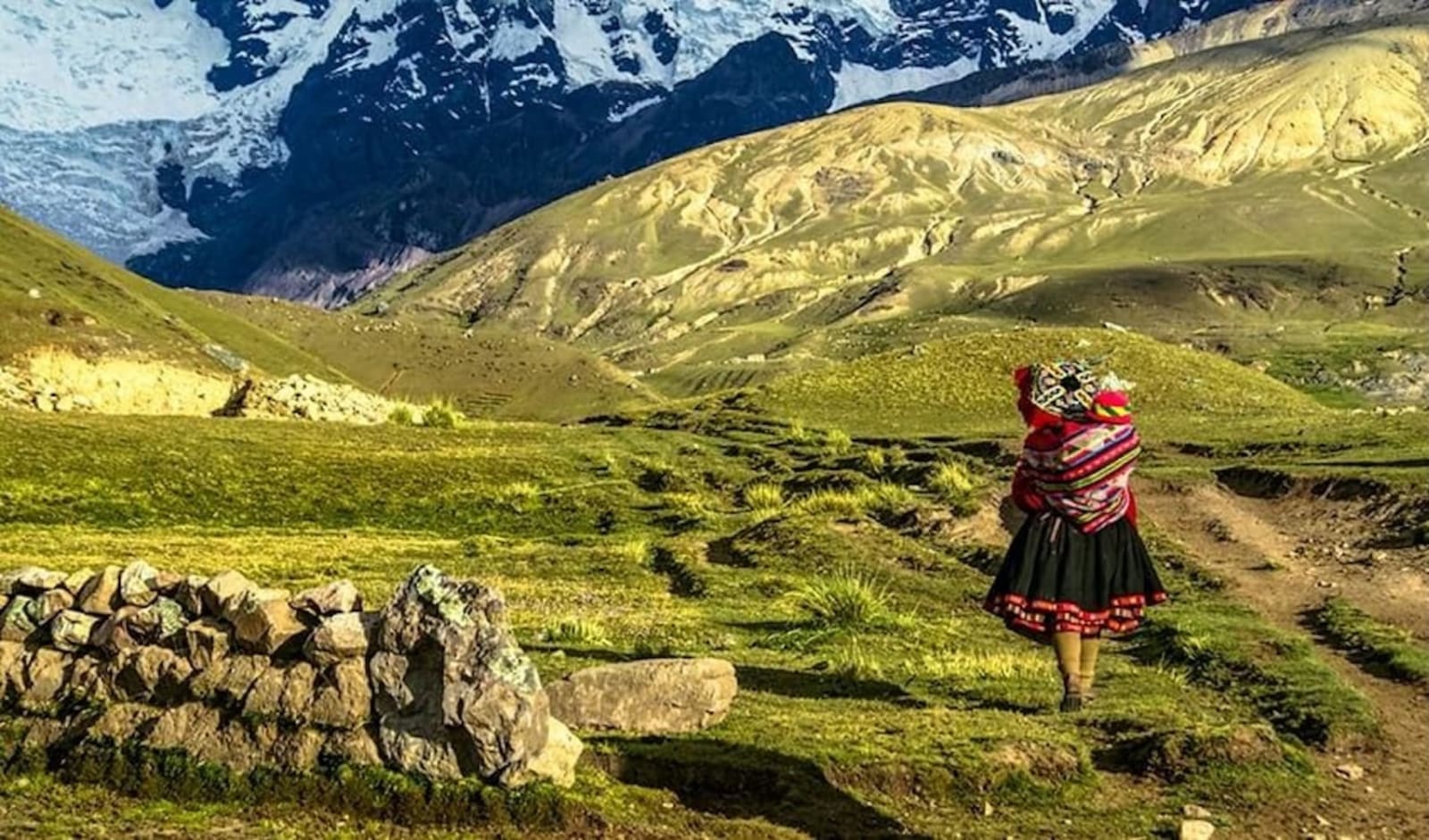
Lares is the cultural choice. The route passes through Quechua farming and weaving communities where alpacas and llamas still graze the high valleys, past glacier lakes and over a pass of about 4,450 m. Days are shorter than on the Inca Trail or Salkantay, and there are far fewer hikers. Most itineraries start with a soak in the Lares hot springs.
Want both? Our Lares Fusion Inca Trail combines 2 days in Lares with the 2-day Inca Trail, so you still arrive through the Sun Gate.
Which should you choose?
- It's your only trip to Peru and you can plan ahead → Classic Inca Trail.
- Inca Trail sold out for your dates → Salkantay Fusion Inca Trail, or the Short Inca Trail (2 days).
- You want the most dramatic mountain scenery → Salkantay.
- You want culture and fewer people → Lares or the Lares Fusion Inca Trail.
- Travelling in February → Salkantay or Lares (the Inca Trail is closed).
What a day on each trek feels like
On the Classic Inca Trail, a typical day starts with a wake-up knock and hot coca tea at your tent around 5:30. After a cooked breakfast you walk for four to seven hours on stone paths built more than 500 years ago, stopping at Inca ruins that only hikers ever see. Lunch is served hot in a dining tent that the porters set up before you arrive. Afternoons are short; you reach camp, your tent is already up, and dinner is a three-course meal cooked by our trail chef.
On the Salkantay Trek, the first two days are about altitude and big views. You walk from Soraypampa up to Humantay Lake, a turquoise glacier lake at about 4,200 m, then cross the Salkantay Pass at about 4,600 m with the glacier above you. After the pass, the trail drops more than 2,000 m into the cloud forest, so on the same trek you go from frost in the morning to orchids, passion fruit and coffee farms. Mules carry the heavy bags, and you sleep in glamping domes at Soraypampa.
On the Lares Trek, the days are gentler and more personal. You pass stone houses with thatched roofs, women weaving with alpaca wool by hand, and children walking llamas to high pastures. There is usually time to stop, share coca leaves with a family or watch a weaving demonstration. The walking is still at high altitude, but there are fewer long climbs, and the hot springs at the start are a real treat.
Altitude and difficulty compared
All three treks are high-altitude hikes, and all three need two or more days in Cusco (3,400 m) beforehand to get used to the thin air. The difference is how high you go and for how long. The Inca Trail has one big pass at 4,215 m and the rest of the trek sits between 2,400 m and 3,800 m. Salkantay climbs higher, to about 4,600 m, but you spend only a short time at the top before descending. Lares crosses a pass of about 4,450 m, with shorter walking days that make it a good choice if you are worried about fitness.
On our 1 to 5 scale, the Classic Inca Trail and Salkantay are both a 4 (challenging), Lares is a 3 (moderate) and the Short Inca Trail is a 2 (easy to moderate). A 4 means long days with steep climbs and descents, but nothing technical: no ropes, no scrambling, just steady walking with your guide setting a calm pace.
Scenery: ruins, mountains or villages?
- Inca Trail scenery: Inca ruins, stone stairways, cloud forest, orchids and the Sun Gate view of Machu Picchu.
- Salkantay scenery: a glacier-covered 6,271 m peak, Humantay Lake, high passes, then jungle valleys and waterfalls.
- Lares scenery: high Andean villages, alpaca and llama herds, glacier lakes and the Sacred Valley.
If you love history, the Inca Trail wins easily. If you love mountains and big landscapes, Salkantay is the most dramatic. If you want to meet the people who live in the Andes today, Lares gives you the most human connection.
Crowds, permits and how far ahead to book
The Inca Trail is the only trek here that needs a government permit, and the number of permits per day is limited. For May to September, book four to six months ahead; for the rest of the year, one to three months is often enough. Salkantay and Lares do not need permits, so you can book them as little as 3 days before departure, any day of the year.
Because the Inca Trail permits are limited, the trail itself never feels overcrowded, but campsites are shared with other groups. Salkantay is popular in high season, especially on the first day to Humantay Lake. Lares is the quietest of the three: on many days you will only see your own group and local families.
Comfort, food and what our crew carries
On every trek we operate, you walk with a light day pack. On the Inca Trail our porters carry tents, kitchen, food and up to 7 kg of your personal things. On Salkantay and Lares, horses and mules carry the load. Either way, your tent or dome is ready when you reach camp, and hot meals are cooked fresh by our trail chef: think quinoa soup, Andean trout, lomo saltado and even a cake on the last night.
The Salkantay domes are the most comfortable option, with real beds and a window onto the glacier. The Inca Trail and Lares use quality four-season tents with sleeping mats. You can rent an inflatable mattress, a thermal sleeping bag or trekking poles when you book.
Combining treks: the fusion options
Many hikers can't decide, so we built two fusion treks. The Salkantay Fusion Inca Trail spends two days around Salkantay and Humantay Lake, then joins the 2-day Inca Trail to arrive through the Sun Gate. The Lares Fusion Inca Trail spends two days in the Lares villages and hot springs, then joins the same 2-day Inca Trail. Both still need an Inca Trail permit for the last two days, but those permits are easier to find than the Classic 4-day ones.
Questions hikers ask us
Is Salkantay harder than the Inca Trail?
Salkantay goes higher (about 4,600 m vs 4,215 m) and covers more distance, so most hikers find it a little harder. Both are rated 4 out of 5 on our scale.
Which trek is least crowded?
Lares. The Inca Trail is limited by permits but follows one path, and Salkantay is popular in high season. Lares sees the fewest hikers.
Do I need a permit for Salkantay or Lares?
No. Only the Inca Trail (Classic and Short) needs a government permit. You still need a Machu Picchu entrance ticket, which we include.
Can I do the Inca Trail in February?
No. The Inca Trail closes every February for maintenance. Salkantay and Lares stay open.
Which trek has the best views of Machu Picchu?
The Classic and Short Inca Trail, because you see Machu Picchu from the Sun Gate before you arrive. On Salkantay and Lares you visit Machu Picchu the next morning by bus from Aguas Calientes.
Which trek is best for beginners?
The Short Inca Trail (2 days) or Lares. Both have shorter walking days. If you are fit and acclimatized, the Classic Inca Trail is also very doable for first-time trekkers.
Which trek is best for families?
Lares and the Short Inca Trail work best for families with teenagers, thanks to shorter days and village visits.
Are meals the same on every trek?
Yes. Our trail chefs cook fresh three-course meals on every trek, and we cater for vegetarian, vegan and gluten-free diets if you tell us when you book.