 9D/8N
Choquequirao Trek to Machu Picchu
The great expedition: Machu Picchu's remote sister city, then on to Machu Picchu.
from $1759 USD
See trek details 
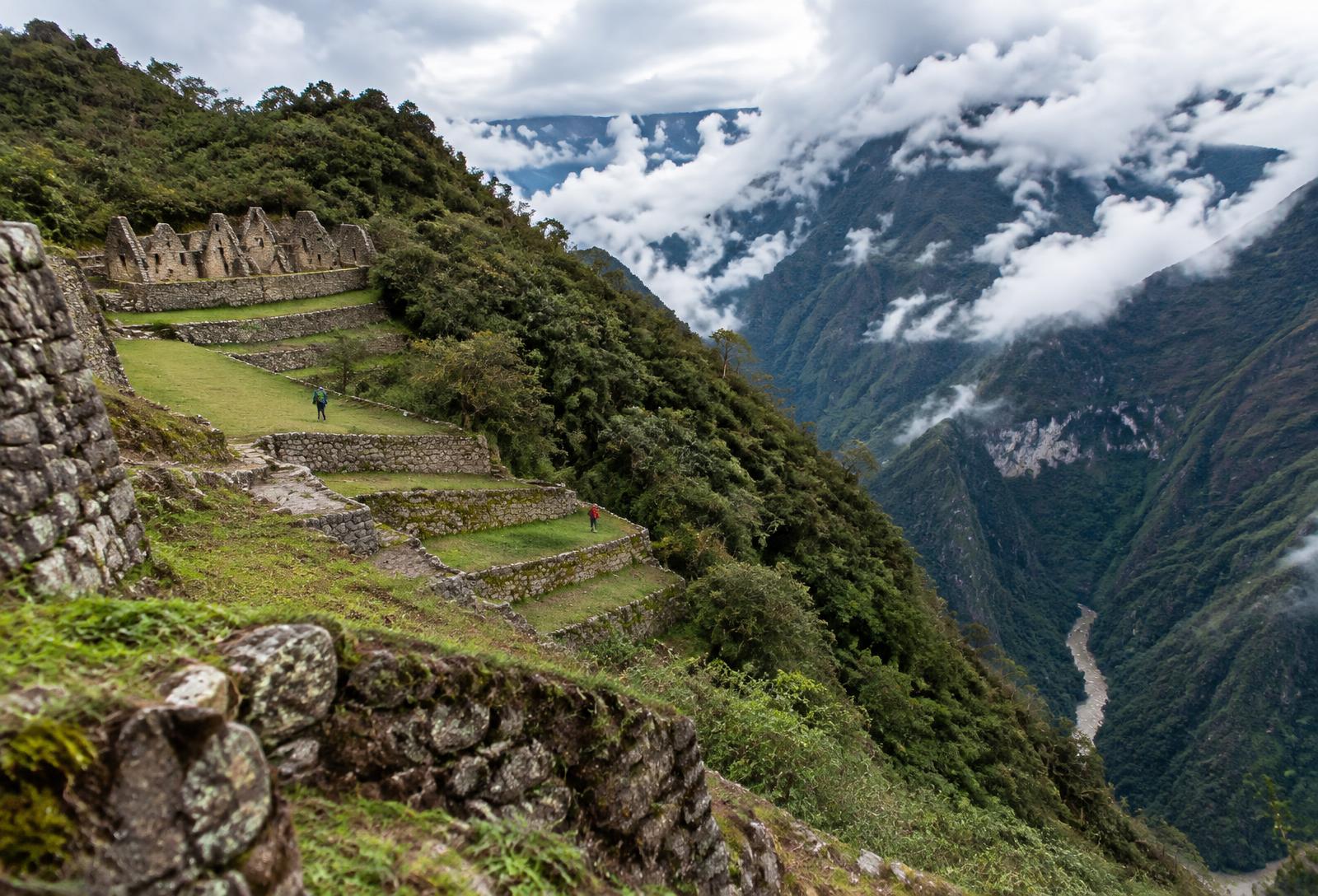
Machu Picchu's wild sister city, still mostly yours alone. We hike down into the Apurímac canyon and climb to Choquequirao, explore its terraces and temples at our own pace, and walk back out through the canyon. Horses carry the camp, our chef cooks every meal, and you walk with only a day pack.
Guides, chefs and crew are our team in Cusco — no middlemen, no resold departures.
Porters and horsemen are paid fairly, carry legal weights and get proper gear and meals.
Our trail chefs cook fresh Andean dishes three times a day.
Leave No Trace camps, waste carried out, community projects supported.
Day 1
Walking time
5–6 h
Distance
13 km
Climb
+300 m
Descent
−1,400 m
Highest point
2,915 m
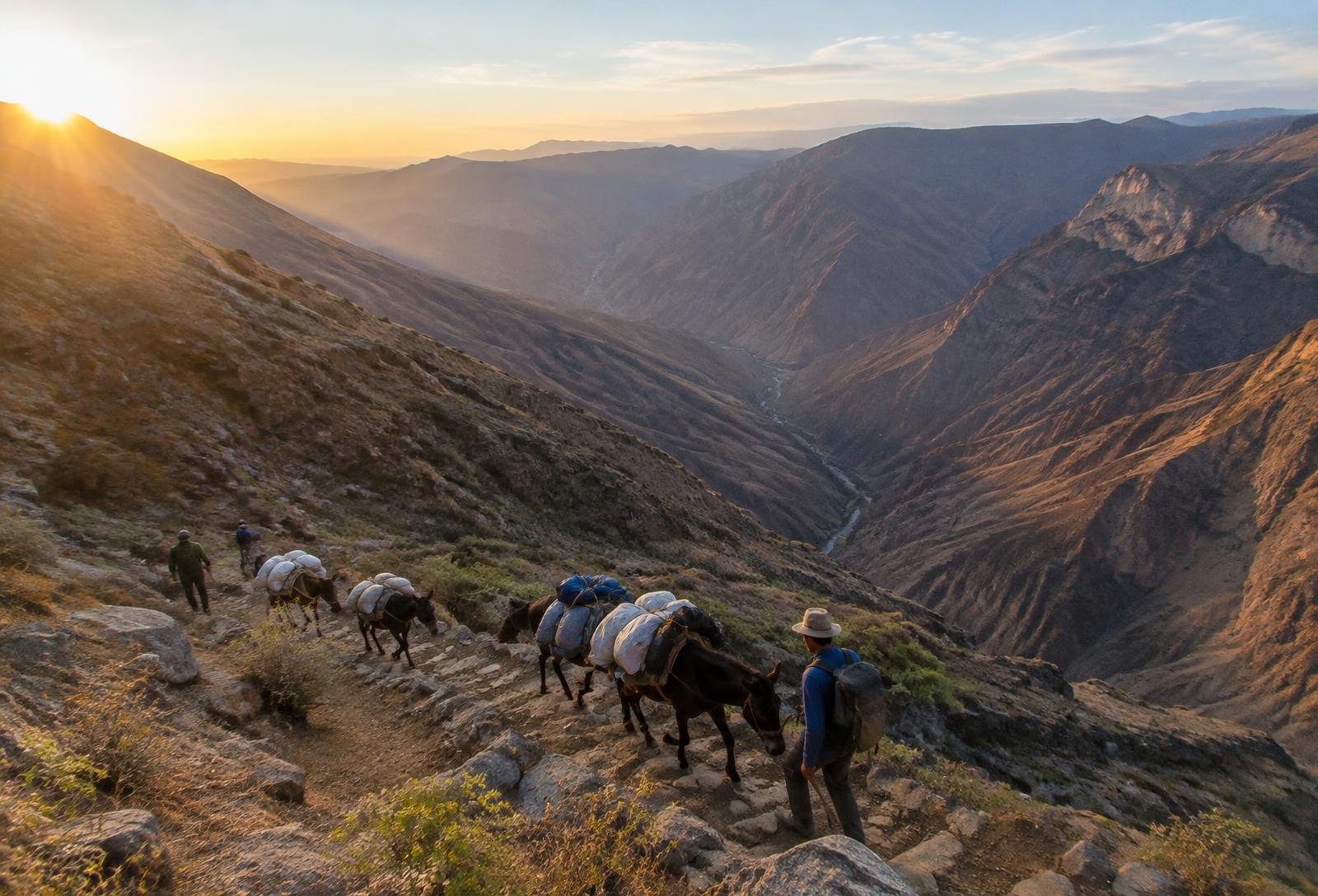
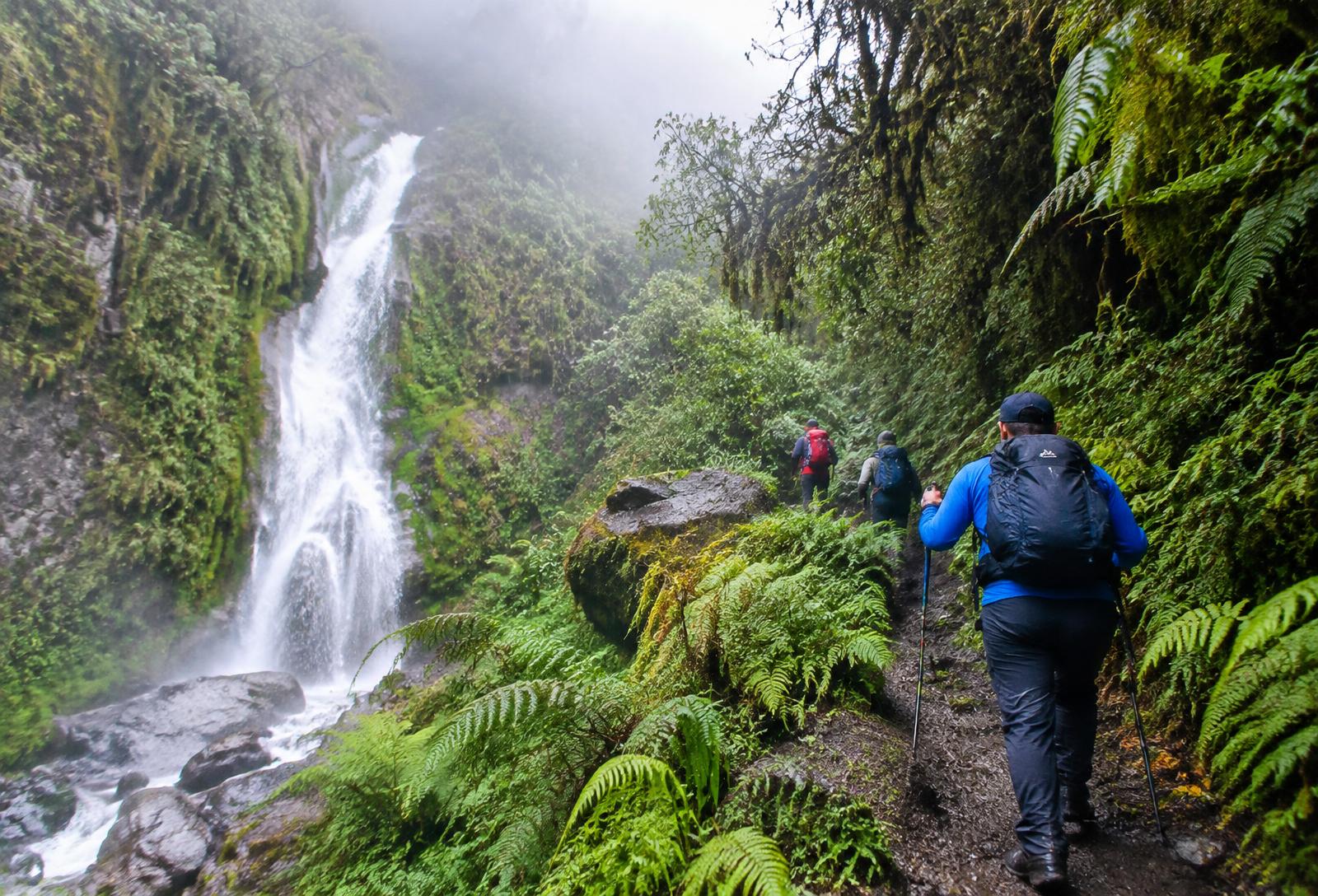
A 5 am departure, a stop at the carved Saywite stone if time allows, and lunch in the village of Cachora. Two easy hours later you reach Capuliyoc — and the ground falls away. The Apurímac canyon opens below you, snow peaks on the horizon, condors riding the warm air. Then the long zigzag down into the green warmth of Chiquisca, where camp is already up.
November 2026
Daily departures all year, no permit needed — book up to 3 days before. Tap a green date to book it.
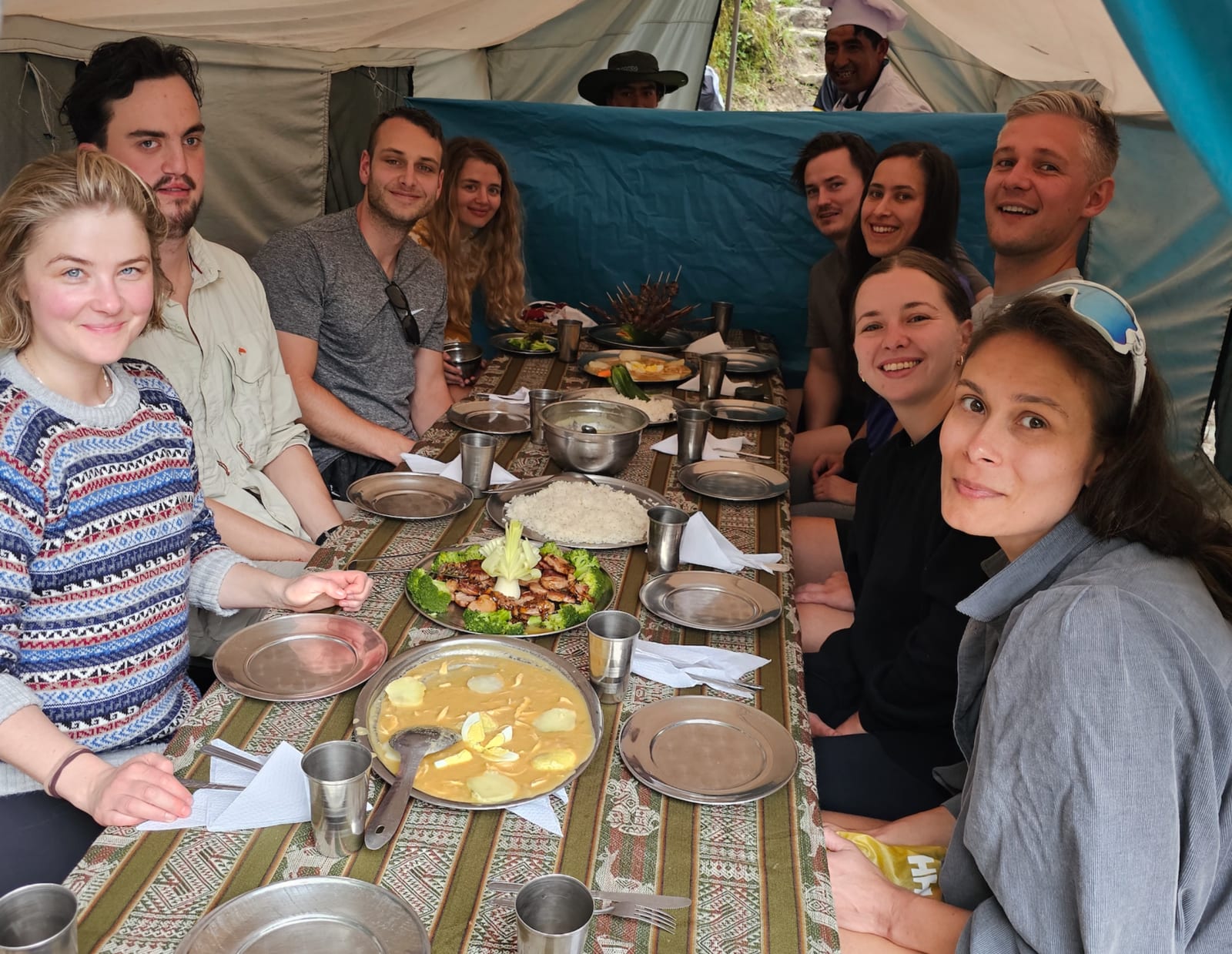
Our chefs cook three hot meals a day — quinoa soup, lomo saltado, fresh trout, Andean herbal teas — with vegetarian, vegan and gluten-free options. Our crew are Quechua men and women from the communities around Cusco. We pay them fairly, respect legal load limits and support their families through our community program.
Not high, but steep. You walk 5–8 hours a day, dropping about 1,400 m into the canyon and climbing back up — in warm sun on the lower slopes. Good fitness and some multi-day hiking experience are recommended.
Every trek we run is rated from 1 (easy) to 5 (hard). This one is a 4.
Gentle walks of 2–4 hours, little climbing. Anyone in normal health.
Unique City Tour: Inca Trail, Alpacas & Ruins
4–6 hours a day with some climbs, mostly below 3,500 m. Regular walkers.
Short Inca Trail (Express) · Inca Jungle Trek
5–7 hours a day, steady climbs and passes up to around 4,000 m. Good basic fitness.
Lares Trek to Machu Picchu · Inca Quarry Trek to Machu Picchu · Rainbow Mountain Trek · Salkantay & Humantay
6–8 hours a day on steep stone steps, one or more passes above 4,000 m. Fit hikers who train beforehand.
Classic Inca Trail · Lares Fusion Inca Trail · Salkantay Fusion Inca Trail · Salkantay Trek to Machu Picchu · Salkantay Trek to Machu Picchu · Choquequirao Trek · Rainbow Mountain Trek
Long, remote days, big daily climbs and high passes near 5,000 m. Experienced, very fit trekkers.
Choquequirao Trek to Machu Picchu · Ausangate Trek
Open all year. April–November is drier and best; the canyon is hot at midday, so we start early. In the rainy months the trail can be muddy.
Challenging. The altitude is low (highest point about 3,110 m) but the canyon is deep: you drop about 1,400 m to the Apurímac River and climb back up the same height, on hot, steep switchbacks. Good fitness and some hiking experience help a lot.
No — it's a there-and-back trek to Choquequirao and returns to Cusco. If you want both sites, look at our 9-day Choquequirao to Machu Picchu expedition.
Horses carry the kitchen, tents and up to 7 kg per hiker (sleeping bag, mattress and personal items). You walk with only a day pack, and our chef has meals ready at camp.
Yes, the entrance fee is included, along with the tent, foam mattress, first aid kit and emergency oxygen.
Up to 3 days before departure. It needs no Inca Trail permit, so it leaves every day of the year.
Spend at least 2 days in Cusco (3,400 m) before the trek, drink lots of water, avoid alcohol the first days and walk slowly. Our guides carry emergency oxygen and a first aid kit.
You only carry a light day pack. Our crew (porters on the Inca Trail, horsemen and mules on Salkantay and Lares) carries the tents, kitchen, food and up to 5–7 kg of your personal gear.
Three hot meals a day plus snacks and tea, cooked fresh by our trail chefs. Vegetarian, vegan and gluten-free diets are available on request.
Yes, boiled and filtered water from the first lunch onwards. Bring a 1–2 litre bottle.
Broken-in hiking boots, rain jacket, warm layers, hat, sunscreen, insect repellent, headlamp, water bottle, personal medication, passport and some cash.
Yes. It must cover hiking at altitude, medical evacuation and trip cancellation.
Tips are optional but appreciated. Many hikers give around 40–80 USD per person in total, shared between the crew.
Most of our hikers are between 25 and 60. Fit hikers older than that walk with us every month — pace matters more than age.
Yes. Ask us when booking and we'll add the ticket or move your return train.
We are based in Cusco and run every trek with our own guides, chefs and crew. No middlemen: your money goes to the people who make your trip.
Fully supported trekking
You only carry a light day pack with water, a jacket and your camera. Our porters carry the tents, the kitchen and the food, and go ahead of you so everything is ready when you arrive.
Wake up
Hot coca tea at your tent and breakfast on the table.
On the trail
Walk at your own pace with your guide and a light day pack.
Lunch stop
You walk in and lunch is already cooked and served.
Arrive at camp
Your tent is up, your sleeping mat is in, and warm water is waiting to wash.
Evening
Afternoon tea and snacks, then a 3-course dinner in the dining tent.
Every day of every trek. All you have to do is walk and enjoy it.
Not available for your dates?
Same team, same food, same care — and usually more room to pick a date. Every one of them ends at Machu Picchu.
9D/8NThe great expedition: Machu Picchu's remote sister city, then on to Machu Picchu.
 5D/4N
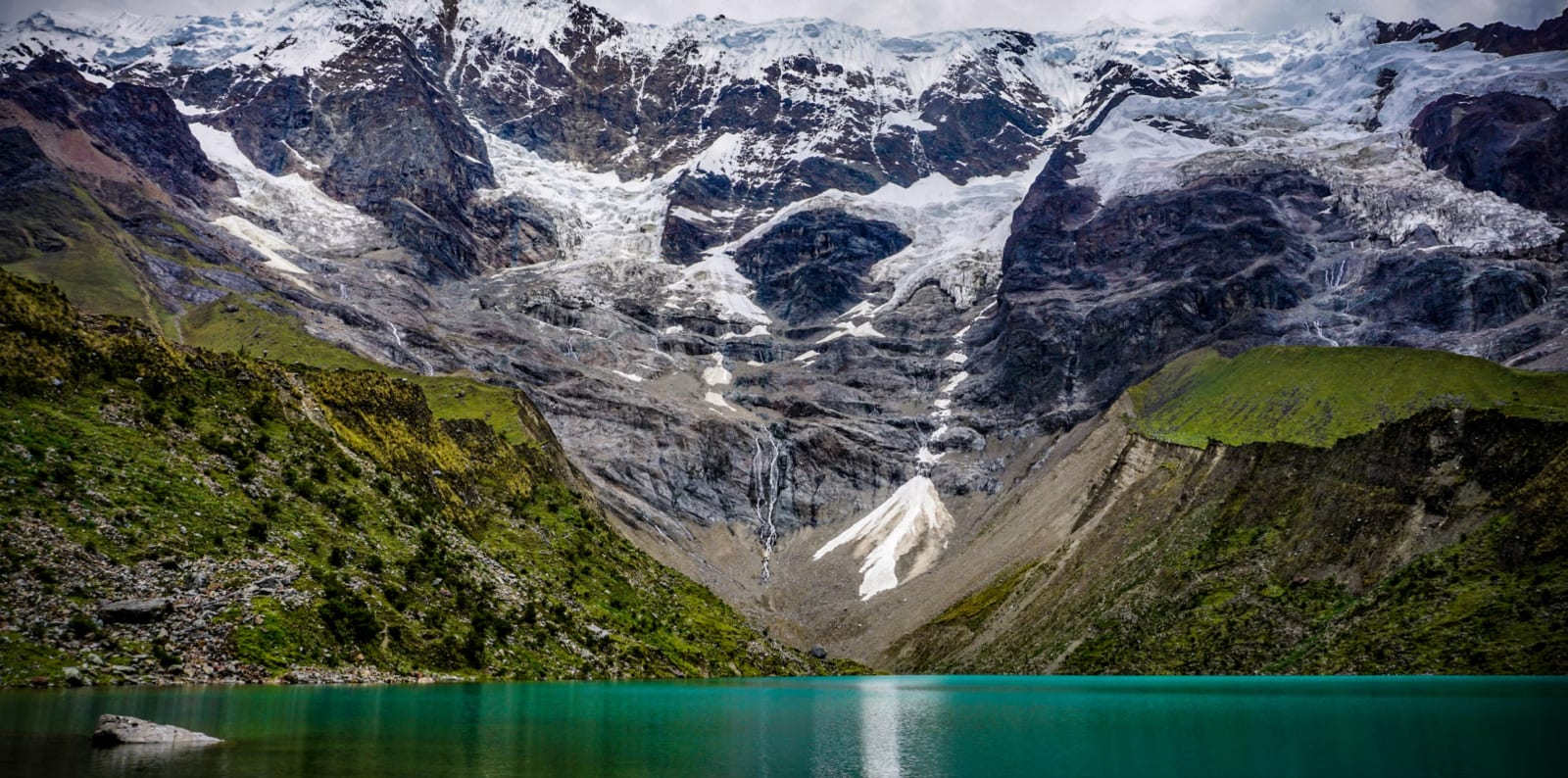
Humantay Lake, the Salkantay pass and cloud forest down to Machu Picchu.
 4D/3N
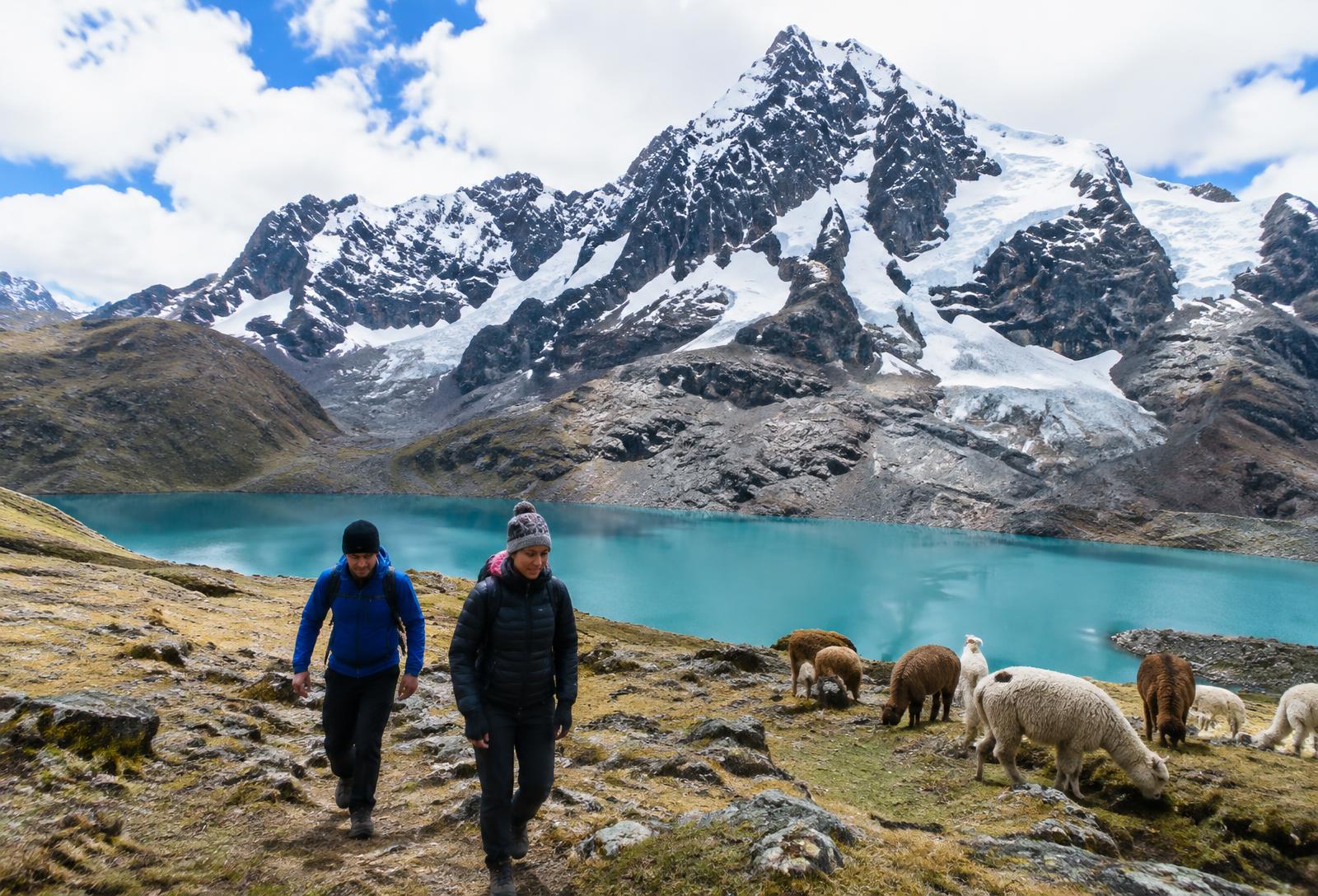
High-altitude circuit around Cusco's sacred snow peak and colored mountains.
 4D/3N
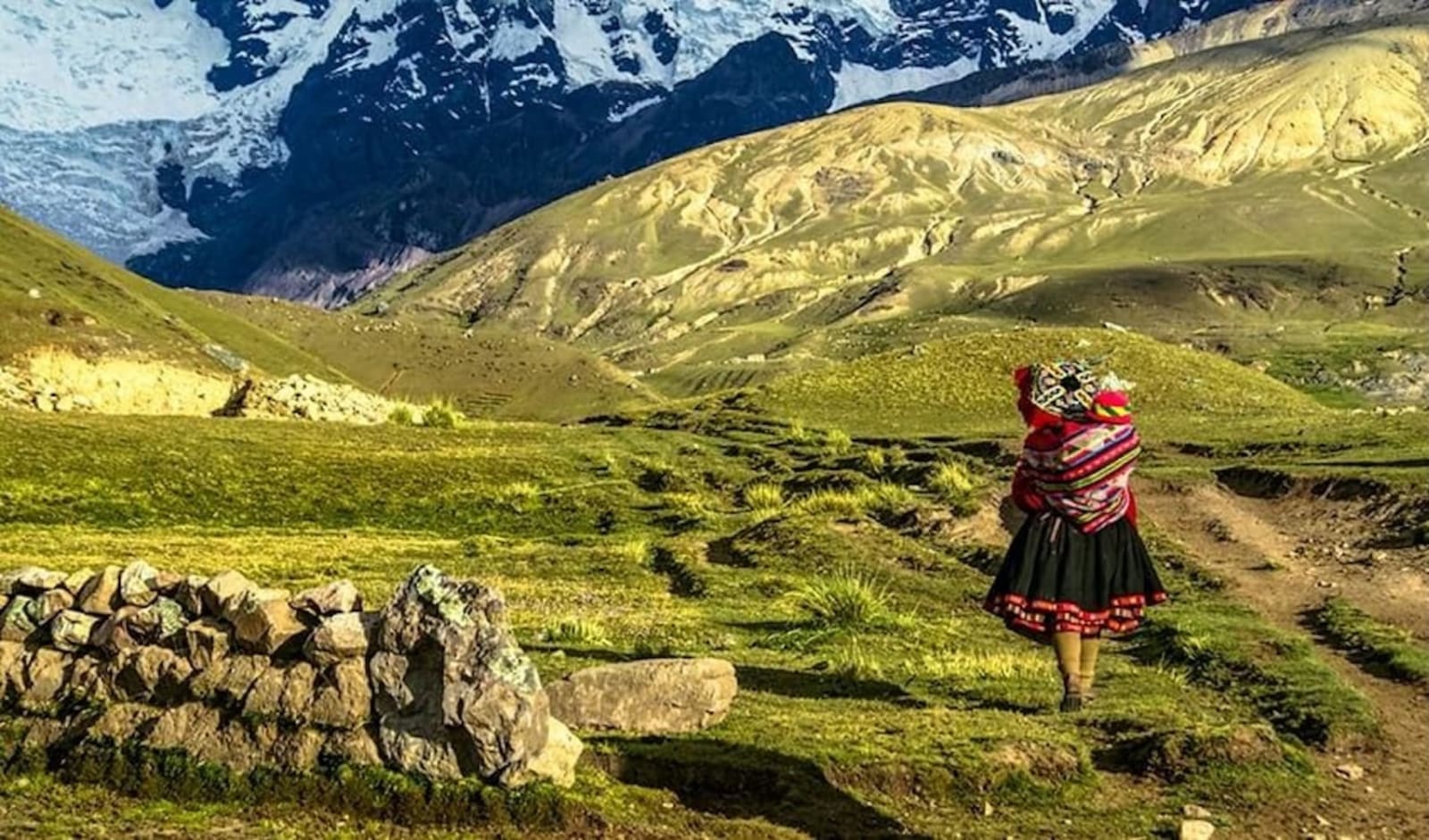
Weaving villages, hot springs and alpaca herds in the Andean highlands.
Talk directly with our team in Cusco — real people, quick answers.
WhatsApp